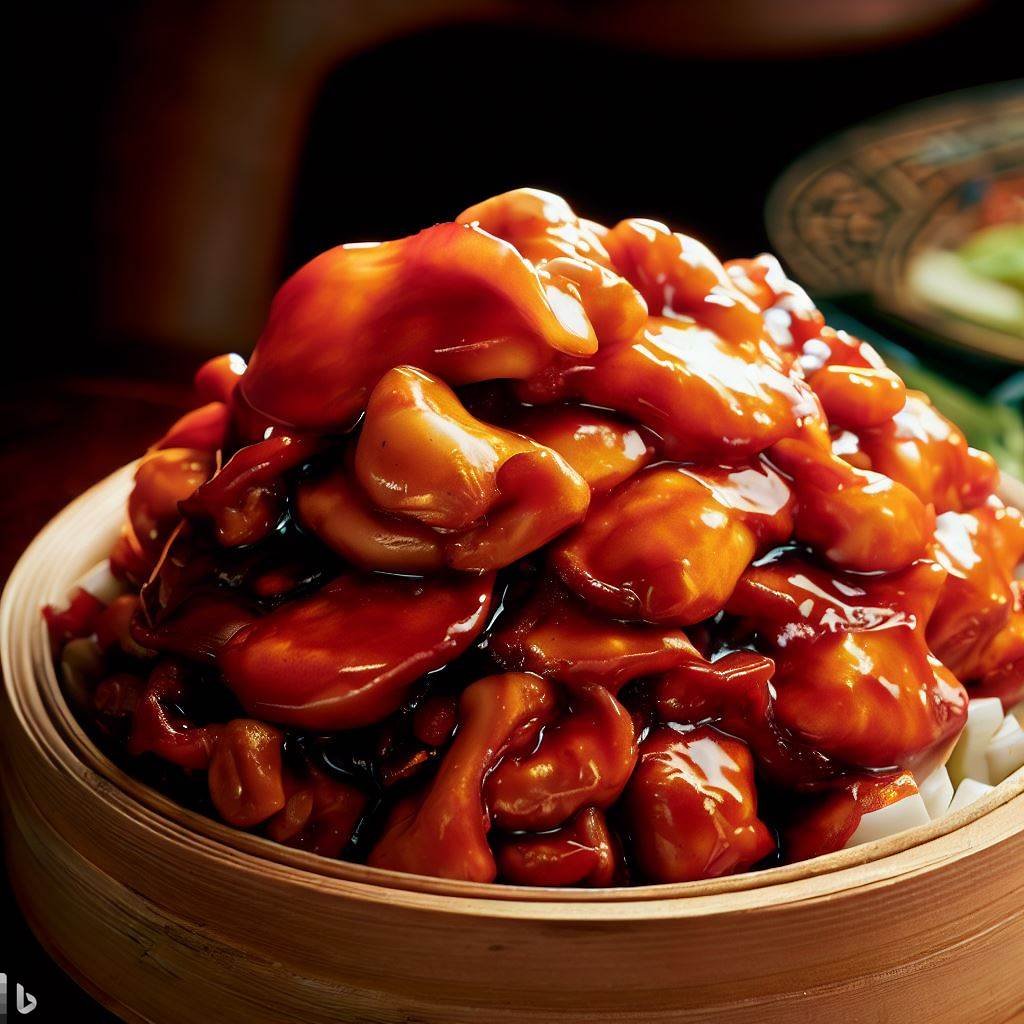
That moment when you bite into a perfectly steamed bao—the fluffy, slightly sweet bun yielding to a savory, aromatic filling—is pure culinary bliss. It's comfort, it's tradition, it's an experience. But if you’ve ever found yourself wondering, "Where to find and enjoy authentic bao?" in a world full of imitations, you’re in the right place. We’re not just talking about any steamed bun; we’re talking about the kind that transports you straight to a bustling dim sum parlor or a vibrant street food stall.
Navigating the delicious world of bao can be daunting, with so many variations and venues. This guide cuts through the noise, offering clear, actionable advice on how to find the real deal, savor every bite, and even bring the joy of bao into your own kitchen. Prepare to embark on a delightful culinary adventure.
At a Glance: Your Bao Journey Starts Here
- Seek Out Dedicated Spots: Look for bustling dim sum restaurants, specialty bao shops, or vibrant Asian food markets for the most authentic experiences.
- Embrace Variety: From savory char siu pork to sweet salted egg yolk lava bao, the world of bao is rich and diverse. Don't be afraid to try new flavors.
- Prioritize Texture: An authentic bao bun is soft, fluffy, slightly chewy, and perfectly steamed. The filling should be well-balanced and flavorful.
- DIY Delight: Asian supermarkets offer excellent frozen bao options. Learning to steam them at home is easier than you think.
- Beyond the Bun: Pair your bao with traditional Chinese teas, chili oil, or a light vinegar for a complete experience.
Beyond the Buzz: What Makes Bao So Special?
Before we dive into the hunt, let's briefly touch upon what makes bao such a universally loved comfort food. At its heart, bao, or baozi (包子), is a type of steamed, filled bun or bread that has been a staple in Chinese cuisine for centuries. It's often misunderstood, sometimes conflated with other dumplings, but its unique charm lies in its distinctive fluffy, cloud-like dough that encases a myriad of delicious fillings, both savory and sweet.
While the concept seems simple, the artistry involved in crafting a truly exceptional bao—from the perfectly proofed dough to the expertly seasoned filling—is profound. It's more than just a meal; it's a piece of culinary history, a comfort food that spans cultures and generations. If you’re curious to learn more about its fascinating origins and types, you can always find out what bao is in our detailed guide on the subject. For now, let’s focus on the delightful pursuit of finding these delectable parcels.
The Quest for the Best: Where to Find Authentic Bao
Finding authentic bao isn't about following trends; it's about knowing where tradition and quality reside. Here's your definitive guide to the venues most likely to satisfy your craving for genuine, delicious bao.
Dedicated Dim Sum & Cantonese Restaurants: The Gold Standard
For many, the quintessential bao experience begins and ends in a traditional dim sum restaurant. These establishments, often bustling with activity, are the birthplace of many popular bao varieties. Here, you’ll find baskets upon baskets of freshly steamed buns, typically served hot from rolling carts or brought directly to your table.
What to Look For:
- Bustling Atmosphere: A busy restaurant, especially during weekend brunch hours, is a good sign. Locals know where the good food is.
- Steaming Baskets: You should see large steamers actively producing fresh bao.
- Diverse Menu: While
char siu bao(BBQ pork buns) are a must-try, look for variety—taro buns, lotus seed paste buns, chicken buns, and more. This indicates a kitchen that prides itself on breadth and tradition. - Handmade Feel: The buns might not be perfectly identical in shape; a slight handmade imperfection can be a mark of authenticity.
Why They Excel: Dim sum restaurants specialize in these small, shareable plates, allowing them to perfect the art of bao. The buns are often made in-house by skilled chefs, ensuring freshness and adherence to traditional recipes. The experience itself, sharing various dishes with friends and family, adds to the authenticity.
Specialty Bao Shops & Eateries: Modern Twists on a Classic
In recent years, a new wave of specialty bao shops has emerged, often focusing exclusively on bao and offering both classic and innovative fillings. These spots bridge the gap between traditional dim sum and contemporary fast-casual dining.
The Rise of Gourmet Bao:
These eateries often push the boundaries, experimenting with globally inspired ingredients and fusion flavors while still respecting the integrity of the bao bun itself. You might find everything from Korean BBQ beef bao to spicy Szechuan crawfish bao, or even decadent Salted Egg Yolk Lava Bao that oozes with rich, creamy goodness.
Examples:
Consider places like Bun Bao in Fremont, CA, which has made a name for itself by offering an extensive selection. They’re known for traditional choices like char siu pork and Mongolian lamb, but also venture into adventurous territory with cheeseburger bao. This kind of specialized focus means they are often masters of the bao dough, ensuring that fluffy, tender texture is always on point, even with unconventional fillings. These shops are a fantastic place to explore if you’re looking for a fresh take on a classic without sacrificing quality.
Vibrant Food Markets & Street Food Stalls: Cultural Hubs for Bao
For a truly immersive and often budget-friendly bao experience, seek out Asian food markets or street food stalls. These vibrant hubs are where you'll find quick, delicious, and authentically prepared bao, often made right in front of you.
The Grab-and-Go Experience:
- Food Trucks: Many cities now boast excellent Asian food trucks that specialize in bao. These mobile kitchens can be a treasure trove, serving up piping hot buns with creative fillings. They're perfect for a quick, satisfying meal on the go. The
Bun Baoexample mentioned earlier, primarily a food truck, is a perfect illustration of this model, bringing their diverse flavors to different locations in the Bay Area. - Wet Markets & Night Markets: In larger Asian communities, traditional "wet markets" (selling fresh produce, meat, and fish) often have small stalls selling prepared foods, including bao. Night markets are also fantastic places to discover vendors with generations of experience crafting these buns.
- Temporary Pop-Ups: Keep an eye out for local food festivals, community events, or pop-up kitchens in your area. Enthusiastic home cooks or small businesses often use these opportunities to share their authentic bao recipes with a wider audience.
Why They're Great: The immediacy and freshness are unparalleled. You're often getting bao that has just come out of the steamer, and the casual, bustling environment adds to the overall experience. Plus, interacting directly with the vendors can provide insights into regional styles and ingredients.
Asian Supermarkets & Frozen Aisles: A Convenient, Quality Option
Sometimes, the craving hits when you can't get to a specialty restaurant or food truck. This is where your local Asian supermarket becomes your best friend. The frozen aisle of a well-stocked Asian grocery store is a goldmine for ready-to-steam bao.
How to Choose Good Frozen Bao:
- Ingredient List: Look for simple, recognizable ingredients.
- Filling Description: Check if the filling matches what you prefer (e.g., BBQ pork, red bean, vegetable).
- Brand Reputation: Over time, you’ll learn which brands consistently deliver on taste and texture. Don't be afraid to try a few until you find your favorite.
- Visual Inspection: If possible, check for any freezer burn or damage to the packaging.
Tips for Steaming at Home: - Steamer Basket is Best: A bamboo steamer placed over a pot of simmering water is ideal. It allows for even cooking and prevents sogginess.
- Parchment Paper or Cabbage Leaves: Place a small square of parchment paper or a fresh cabbage leaf under each bao to prevent sticking.
- Don't Overcrowd: Give the bao space to expand.
- Steam, Don't Boil: Gentle steam is key. Follow package instructions, typically 8-12 minutes from frozen until hot and fluffy.
While not the same as freshly made dim sum, high-quality frozen bao offers a fantastic way to enjoy authentic flavors at home with minimal effort. It’s perfect for satisfying those spontaneous cravings or preparing a quick, comforting meal.
Unexpected Places: Community Events & Pop-Ups
Authentic bao can sometimes pop up in surprising places. Keep an eye on local community event listings, food blogs, or social media groups for your area. Food festivals, cultural celebrations, and even farmer's markets occasionally feature vendors selling homemade bao. These often provide unique regional varieties or family recipes that you might not find in commercial restaurants. It's all about staying curious and open to discovery!
Spotting the Real Deal: Hallmarks of Authentic Bao
Not all bao are created equal. To truly enjoy an authentic experience, it helps to know what distinguishes a stellar bao from a mediocre one.
Texture is Key: The Bao Bun Itself
The bun is arguably the most critical component. A truly authentic bao bun should be:
- Soft and Fluffy: Like a cloud, yielding easily to the touch.
- Slightly Sweet: A subtle hint of sweetness in the dough balances savory fillings.
- Tender, Not Chewy: It should have a pleasant bite, but never be rubbery or tough.
- Consistent: The texture should be uniform throughout, without dense or dry spots.
- White and Smooth: Indicative of proper flour and steaming technique (unless it's a specialty bun with added ingredients like whole wheat).
If the bun is dense, dry, or has a bready, yeasty flavor that overwhelms the filling, it's likely not a top-tier bao.
Balanced Fillings: Flavor Harmony, Not Just Quantity
While a generous filling is always appreciated, authenticity lies in balance and quality, not just sheer volume.
- Savory Fillings: Should be well-seasoned, juicy (but not greasy), and rich in flavor. For char siu bao, the pork should be tender and coated in a savory-sweet BBQ sauce. For vegetable bao, the vegetables should be fresh, vibrant, and seasoned appropriately.
- Sweet Fillings: Like red bean paste or lotus seed paste, should be smooth, not overly sugary, and have a distinct, natural flavor. Salted egg yolk lava bao should have a creamy, slightly grainy texture with that unmistakable sweet-salty richness.
- Good Ratio: The filling-to-bun ratio should be harmonious. Too much bun and too little filling is disappointing; too much filling and a flimsy bun can lead to a messy, unbalanced experience.
Steaming Perfection: No Soggy Bottoms, No Dry Tops
The steaming process is crucial. A properly steamed bao will be:
- Hot Throughout: Warmed evenly to the center.
- Dry Exterior: The bun's surface should be soft but not wet or sticky.
- No Soggy Bottoms: The base of the bun should be just as fluffy as the top, not waterlogged.
- Intact: The bun should hold its shape without collapsing or tearing unless intentionally designed to be open-faced.
Variety and Regionality: Exploring the Bao Spectrum
Authenticity also encompasses the incredible diversity of bao. Don't limit your experience to just one type.
- Different Shapes and Sizes: From petite, pleated dim sum buns to larger, rustic-looking
dabaos(large buns). - Open-faced (Gua Bao) vs. Closed: While
gua bao(or Taiwanese pork belly buns) are technically open-faced sandwiches, they share the same fluffy steamed bun base and offer a different, equally delicious experience. Closed buns are more traditional forbaozi. - Regional Fillings: Explore specialties from different regions—spicy ground pork from Sichuan, sweet taro from Southern China, or even vegetarian options from Buddhist traditions.
Making the Most of Your Bao Experience
Once you've found your authentic bao, how do you ensure you truly savor every bite?
Pairings & Accompaniments: Enhancing the Flavors
- Tea is Essential: In dim sum settings,
pu-erh(普洱),oolong(烏龍), or jasmine tea are common pairings. Their slight bitterness helps cut through the richness of the fillings and cleanse the palate. - Chili Oil: A drizzle of homemade chili oil adds a spicy kick, enhancing savory bao fillings.
- Vinegar & Soy Sauce: A small dish of black vinegar, sometimes mixed with a touch of soy sauce and shredded ginger, is a classic accompaniment, especially for meat-filled buns.
- Other Dim Sum: If you're at a dim sum restaurant, bao is just one part of the feast! Don't hesitate to order other staples like
har gow(shrimp dumplings),siu mai(pork and shrimp dumplings), andcheong fun(rice noodle rolls) to complete the experience.
Dining Etiquette (or Lack Thereof): Embrace the Mess
While there's a certain grace to dining, bao can sometimes be delightfully messy, especially if they have juicy fillings or are saucy.
- Eat While Hot: Bao are best enjoyed fresh out of the steamer. Don't let them sit and cool down.
- Tear, Don't Cut: For closed buns, tearing off a piece allows you to gauge the filling's heat and enjoy the bun's texture.
- Hands are Okay: Many bao are finger foods. Don't be afraid to pick them up and enjoy them directly.
- Beware of Hot Filling: Especially with soup-filled buns or lava buns, take a small bite or poke a hole to release steam before diving in, preventing a burnt tongue.
Beyond the Classics: Exploring Bao's Diverse World
The world of bao is incredibly rich and varied. Beyond the ubiquitous char siu bao, there's a whole universe of flavors and styles waiting to be discovered.
Steamed vs. Baked: A Tale of Two Textures
While most authentic bao are steamed, there's a beloved exception that often captures hearts:
- Steamed Char Siu Bao: The classic, fluffy white bun, iconic in dim sum.
- Baked Char Siu Bao: Featuring a slightly crispy, often glazed, golden-brown crust, these offer a delightful contrast in texture with the same savory-sweet BBQ pork filling. They’re less common than their steamed cousins but equally delicious.
Sweet vs. Savory: A Bao for Every Palate
Bao caters to all tastes, making it a versatile treat:
- Savory Delights: Beyond
char siu, you'll find bao filled with ground pork and vegetables, chicken and mushroom, beef, or purely vegetarian fillings like shiitake mushrooms and cabbage. - Sweet Indulgences: Red bean paste bao (a slightly sweet, earthy filling), lotus seed paste bao, and the aforementioned Salted Egg Yolk Lava Bao are popular dessert options. There are also plain steamed buns, often served with condensed milk for dipping, which highlight the pure beauty of the bun itself.
Open-faced (Gua Bao) vs. Closed: Different Forms, Same Comfort
While traditional baozi are fully enclosed, gua bao (or kong bak pau in some regions) are open-faced buns folded around a savory filling.
- Gua Bao: Often associated with Taiwanese cuisine, these are typically filled with slow-braised pork belly, pickled mustard greens, cilantro, and crushed peanuts. The soft, pillowy bun acts as the perfect vehicle for the rich, flavorful fillings. It’s a wonderful example of how the bao concept can evolve while retaining its comforting essence.
Regional Specialties: A Culinary Map of Bao
Different regions of China, and indeed across Asia, have their own unique take on bao:
- Guangdong (Cantonese) Bao: Famous for
char siu bao,nai wong bao(custard buns), and savory chicken buns, typically smaller and refined for dim sum. - Shanghai Bao: While
xiaolongbao(soup dumplings) are technically dumplings,shengjianbao(pan-fried soup buns) are a delicious hybrid, with a fluffy bun bottom that is fried crispy and a juicy, soup-filled interior. - Northern Chinese Bao: Often larger, with heartier fillings like cabbage and pork, or beef and onion, sometimes made with a slightly denser dough to stand up to colder climates.
- Vegetarian Bao: Many Buddhist temples and vegetarian eateries in Asia produce exquisite bao filled with finely chopped vegetables, tofu, glass noodles, and mushrooms, offering a delightful alternative for non-meat eaters.
Common Bao Blunders to Avoid
Even seasoned bao enthusiasts can make mistakes. Keep these in mind to ensure your experience is always top-notch:
- Overcooking or Undercooking Frozen Bao: Follow package instructions meticulously. Overcooked bao can become tough; undercooked ones will be dense and cold in the center. A steamer is usually better than a microwave for texture.
- Expecting Uniformity: Bao from a street stall will likely differ in appearance and texture from those in a high-end dim sum restaurant. Embrace the regional and artisanal variations.
- Ignoring the Bun for Just the Filling: The bun is half the experience! Appreciate its texture, sweetness, and how it complements the filling.
- Eating Cold Bao: A cold bao loses its fluffiness and much of its appeal. Always ensure your bao is piping hot.
- Not Experimenting: Sticking to just
char siu baomeans missing out on a world of other delicious fillings. Be adventurous!
Your Next Bao Adventure Awaits
The journey to find and enjoy authentic bao is a delicious one, full of discovery and delightful flavors. From the bustling dim sum halls to the innovative food trucks and the convenience of your own kitchen, there are countless ways to experience this beloved comfort food.
Don't let the sheer variety intimidate you. Start with a classic, then branch out. Pay attention to the texture of the bun, the balance of the filling, and the overall experience. Whether you’re a long-time fan or a curious newcomer, the world of bao is ready to welcome you with open, fluffy arms. So, go forth, explore, and savor every exquisite bite of your next authentic bao craving!