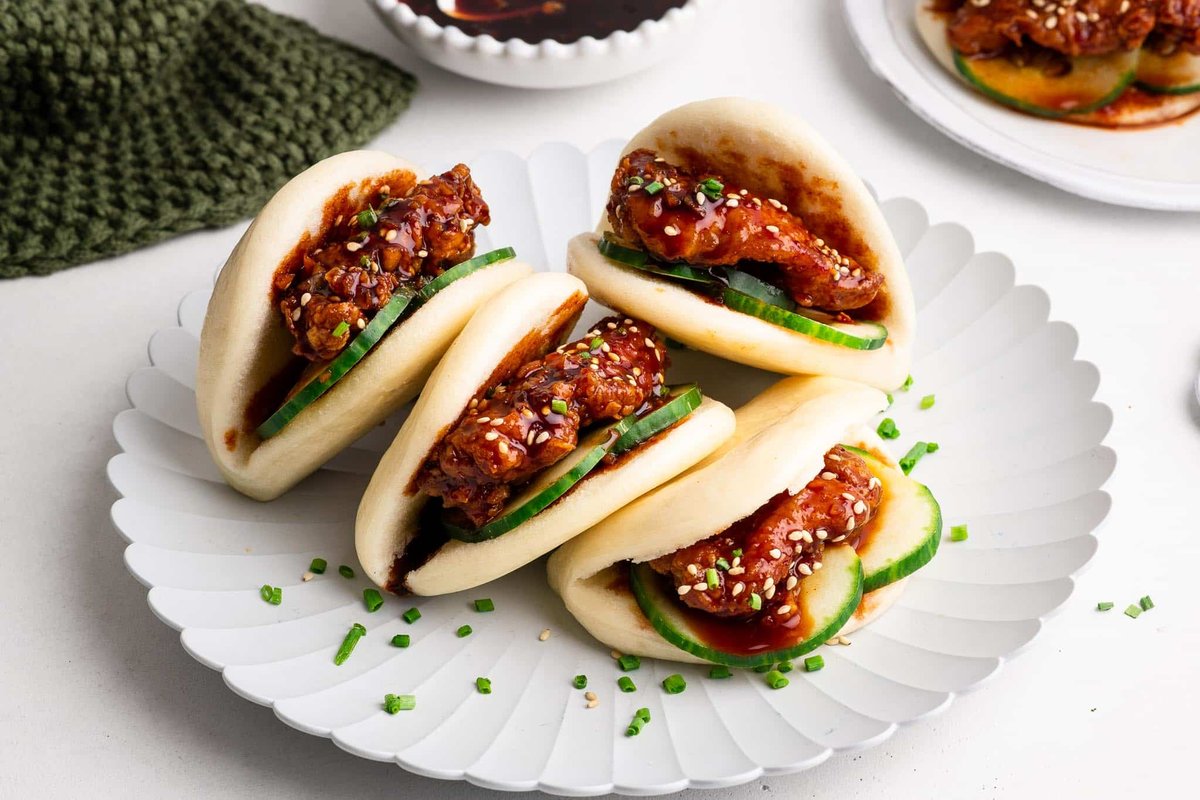
When you hear "bao," what comes to mind? Is it the fluffy, cloud-like bun cradling savory barbecue pork? Or perhaps the delicate, soup-filled parcel that bursts with flavor at first bite? Maybe it’s a hearty, handheld meal, larger than a burger, packed with aromatic ingredients. The truth is, bao is all of these things and so much more – a versatile, iconic staple of Chinese cuisine with a rich history as comforting as the steam that cooks it.
This isn't just a simple steamed bun; it's a culinary legacy, a symbol, and an experience. If you’ve ever wondered what exactly bao is, where it came from, or how it became such a global phenomenon, you’re in the right place. We’re diving deep into the definition, history, and incredible journey of this beloved dish.
At a Glance: Understanding Bao
- What it is: Bao (包) literally means "to wrap" and refers to a family of steamed dough wrappers enclosing various fillings.
- Origin: Evolved from "Mantou," a plain steamed bun, with its roots attributed to the 3rd-century strategist Zhuge Liang.
- Ingredients: Typically made from wheat flour, yeast, water, salt, and sugar, resulting in a soft, airy texture.
- Variations: Ranges from dumpling-sized to burger-sized, with diverse regional types like Shanghai's Xiaolongbao, Hong Kong's Char Siu Bao, and Taiwan's Gua Bao.
- Cultural Significance: Symbolizes good fortune, unity, and community in Chinese culture.
- Modern Appeal: A global sensation, inspiring fusion dishes and home cooking adventures worldwide.
The Heart of the Matter: Defining Bao Beyond a Steamed Bun
At its core, bao (pronounced "bow," as in bow and arrow) is a beautifully simple concept: a dough wrapper enveloping a delicious filling, then typically steamed to fluffy perfection. The Chinese character 包 (bāo) itself means "to wrap" or "package," perfectly encapsulating its nature. But to call it merely a "steamed bun" is like calling a symphony just "notes."
Bao encompasses a vast family of dishes, differing dramatically in size, dough texture, and filling depending on the region and purpose. You might encounter small, delicate parcels akin to dumplings, or substantial, burger-sized buns designed to be a complete meal. What unites them is that characteristic soft, slightly chewy dough, achieved through careful fermentation, and the delightful surprise of the filling within. This foundational understanding is key to appreciating the complexity and cultural depth of what bao truly represents.
A Journey Through Time: The Ancient Roots of Bao
The story of bao is deeply intertwined with the history of Chinese cuisine, stretching back over a millennium. It's a tale of necessity, ingenuity, and a little bit of legend.
From Mantou to Baozi: The Evolutionary Path
Before there was bao as we know it today, there was Mantou (馒头). Mantou is a plain, steamed dumpling – essentially a simple, unleavened bread or bun. It forms the foundational dough for many bao varieties and is still a staple across China, often served as a side dish or snack.
The creation of Mantou is famously attributed to Zhuge Liang, the brilliant military strategist of the Three Kingdoms period (3rd Century CE). Legend has it that during his Southern Campaign, Zhuge Liang needed to cross a treacherous river in what is now Sichuan province. The local deity of the river demanded the heads of 50 soldiers for safe passage. To spare his men, Zhuge Liang, ever the tactician, ordered his cooks to create 50 steamed buns shaped like human heads – round, with flat bases. These "barbarian's heads" (Mantou) were thrown into the river, appeasing the deity and allowing the army to cross.
While this tale might be folklore, it anchors Mantou’s origin around the Eastern Han Dynasty (206 BCE to 220 CE), a time when simple, hearty buns were crucial for the working class and travelers. Mantou was an accessible source of carbohydrates, easy to make from basic ingredients, and portable.
The leap from plain Mantou to the filled bao we recognize came with the addition of fillings, transforming Mantou into Baozi (包子), which literally means "little bao." While the exact innovator who first decided to put a savory filling into a steamed bun remains unknown, this culinary evolution likely occurred gradually over centuries, driven by the desire for more flavorful and complete meals.
Historical records further suggest that filled buns, or Baozi, were well-established by the Northern Song Dynasty (960-1127 AD). During this era, Baozi was celebrated as a simple, nourishing food for the common people, made from flour, water, yeast, and whatever fillings were readily available. Its enduring popularity is a testament to its satisfying taste and practical nature.
The Building Blocks: Ingredients and Crafting the Perfect Dough
The magic of bao begins with its dough, a seemingly simple mixture that achieves its characteristic soft, pillowy texture through careful preparation.
Essential Ingredients
Traditional bao dough typically consists of just a few core ingredients:
- Wheat Flour: The foundation. All-purpose flour is common, but bread flour, with its higher protein content, can yield a chewier texture.
- Yeast: The vital leavening agent. Yeast ferments the sugars in the flour, producing carbon dioxide gas that creates air pockets, giving the bao its light and airy structure.
- Salt: Enhances flavor and controls yeast activity.
- Sugar: Feeds the yeast, aiding fermentation, and adds a subtle sweetness to the dough.
- Water: Hydrates the flour and activates the yeast.
Some recipes might include additional ingredients to enrich the dough, such as: - Milk: Can make the dough softer and more tender, adding a subtle richness.
- Egg: Contributes to a richer color and slightly denser, more cake-like texture.
- Lard or Oil: Adds moisture, tenderness, and can make the dough more pliable.
The Art of Dough Preparation
Making bao dough is a rewarding process that requires both precision and a gentle touch:
- Mixing and Kneading: The ingredients are combined and then kneaded. Traditionally done by hand, kneading develops the gluten in the flour, which is crucial for creating that elastic, springy texture that holds its shape and traps steam. Modern kitchens might use stand mixers to achieve the same result. The goal is a smooth, elastic, and slightly tacky dough.
- Proofing (First Fermentation): After kneading, the dough is covered and left to proof in a warm place for several hours. During this time, the yeast works its magic, causing the dough to double in size. This initial rise is fundamental for the bao’s lightness.
- Dividing and Shaping: Once proofed, the dough is gently punched down, divided into individual portions, and then rolled or flattened into small circles.
- Filling and Sealing: Each dough circle is then filled with the desired ingredients. This step requires a bit of skill to gather the edges and pleat them neatly to seal the filling inside, creating the classic bao shape.
- Second Proofing (Optional but Recommended): Many recipes call for a second, shorter proofing period after the bao are shaped and filled. This allows the dough to relax and rise slightly again, ensuring maximum fluffiness during steaming.
- Steaming or Baking: The final step! Most bao are steamed, typically in bamboo baskets, which impart a subtle aroma and ensure even cooking. Some varieties, however, are baked for a different texture and golden crust.
A Culinary Atlas: Regional Bao Variations Across China and Beyond
Just like pizza in Italy or tacos in Mexico, bao isn't a monolithic dish. It's a diverse category with countless regional variations, each reflecting local ingredients, culinary traditions, and preferences. Exploring these regional differences is like embarking on a delicious tour of China and its diasporas.
Northern China: Hearty and Robust
In the colder, wheat-growing regions of Northern China, bao are often characterized by their thicker, doughier wrappers. Made almost exclusively from wheat flour, these bao are designed to be substantial and filling, often serving as a primary meal. Fillings are typically hearty, featuring:
- Pork, Beef, or Lamb: Often richly seasoned and sometimes mixed with cabbage or scallions.
- Spicy Mixtures: Incorporating chilies and other robust spices with vegetables or scrambled egg.
- Vegetarian Options: Cabbage, mushroom, or tofu with fragrant aromatics.
Southern China: Soft and Delicate
Moving south, where rice is a more dominant staple, bao wrappers tend to be softer and more delicate, sometimes incorporating rice flour or a finer wheat flour. The fillings can be equally diverse, ranging from savory to sweet.
Chengdu (Sichuan): Fluffy and Flavorful
In the culinary powerhouse of Chengdu, Sichuan province, bao maintain a robust character. Here, you'll find wheat-based wrappers that are thick and wonderfully fluffy. The fillings often reflect Sichuan's famous palate, featuring:
- Spicy Pork or Beef: Infused with local chilies and Sichuan peppercorns.
- Vegetable Fillings: Sometimes with a hint of spice, perhaps featuring greens or mushrooms.
- Egg: Incorporated into savory mixes.
Hong Kong: The Sweet and Savory Char Siu Bao
One of the most recognizable bao globally is Hong Kong’s Char Siu Bao (叉燒包). These iconic buns stand out with their:
- Thin, slightly sweet wrapper: Often made with a portion of rice flour, contributing to its delicate texture and allowing the filling to shine.
- Sweet barbecue pork (Char Siu) filling: The star of the show, a rich, savory-sweet concoction of roasted pork, often dyed red, in a thick sauce. When baked, the top often cracks open, revealing the vibrant filling.
Char Siu Bao is a dim sum essential, a perfect balance of sweet and savory that exemplifies Hong Kong's Cantonese culinary heritage.
Shanghai: The World-Famous Xiaolongbao
Perhaps the most famous of all bao, Xiaolongbao (小籠包), or "soup dumplings," hail from Shanghai. These delicate, pleated dumplings are renowned for their incredible soupy core.
- Named after its steamer: "Xiaolong" refers to the small bamboo steaming basket they are served in.
- The "soup" secret: Chefs cleverly incorporate gelatinized meat broth (a solidified stock) into the filling. As the dumpling steams, this gelatin melts, transforming into a rich, savory soup that is trapped within the thin wrapper.
- Traditional eating method: Eating Xiaolongbao is an art form. You typically pick it up gently with chopsticks, place it on a spoon, and then:
- Pierce the skin: Create a small hole to release some steam and allow the dumpling to cool slightly.
- Sip the soup: Carefully drink the rich, hot broth.
- Eat the bun: Enjoy the remaining filling and delicate wrapper, often dipped in a mixture of black vinegar and ginger.
It's crucial not to overcook Xiaolongbao, as this can cause the delicate wrappers to break, leading to a tragic loss of the precious soup inside.
Taiwan: The Burger-Sized Gua Bao
Taiwan offers a distinct and incredibly popular style of bao: Gua Bao (刈包). These "cut buns" are often described as Taiwanese burgers, known for their generous size and high-quality fillings.
- Burger-sized bun: A fluffy, clam-shaped, open-faced bun that is steamed but not fully sealed, allowing for ample filling.
- Fast-food favorite: Gua Bao is a hugely popular street food and fast-casual dish across Taiwan.
- Premium fillings: While diverse, the most celebrated variety is the "Crispy Pork Bao." This features succulent, seasoned pork belly, often slow-braised until melt-in-your-mouth tender. The buns are frequently made from soft lotus leaf buns.
- Traditional garnishes: The crispy pork gua bao is traditionally adorned with a combination of ground peanuts, fresh coriander, and Sun Cai (pickled mustard greens), which provide a crucial counterpoint of texture and flavor to the rich pork. Other popular fillings include fresh crab, sizzling beef, or sweet potato.
Beyond the Steam: Other Common Bao-Related Types
While baozi are the most direct descendants of Mantou, the broader "bao" family includes other steamed or bread-like items that share a common lineage or preparation style.
- Baozi (包子): This is the general term for steamed bao with fillings, encompassing both savory meat or vegetable fillings and sweet options like red bean paste or taro. When people simply say "bao," they are usually referring to baozi.
- Mantou (馒头): As discussed, these are plain steamed or occasionally baked buns, without any filling. They are often served as a side dish, meant to soak up sauces from other dishes, or enjoyed simply on their own.
- Jianbing (煎饼): While not a traditional "bun," Jianbing is a savory, crêpe-like street food that shares the dough-based, wrapped characteristic of bao. It's often filled with eggs, scallions, cilantro, crispy fried crackers, and sometimes meat or seafood, then folded up.
- Dabing (大饼): Meaning "big bread" or "large pancake," Dabing is a flatbread-like bao, often pan-fried or baked, and can be plain or filled with ingredients like meat, onions, and sometimes eggs. It's heartier and chewier than a typical steamed bao.
More Than Just a Meal: Bao's Cultural Echoes
Bao isn't merely sustenance; it's interwoven with the fabric of Chinese culture, symbolizing concepts of good fortune, prosperity, and unity.
In many parts of China, especially during festivals and special occasions, sharing bao is seen as an act of strengthening bonds and fostering community. The round shape of many bao varieties often represents completeness and togetherness, making them a common sight at family gatherings and celebrations. They are often enjoyed during the Lunar New Year, symbolizing wishes for a prosperous and "full" year ahead.
Furthermore, bao has found its way into Chinese folklore and traditional beliefs. It's sometimes associated with the Eight Immortals, legendary figures in Taoist mythology, and in some traditions, certain types of bao are believed to possess healing properties or bring good luck. This deep cultural resonance elevates bao from a simple food item to a symbol of shared heritage and auspicious wishes.
The Art of Enjoyment: Serving and Eating Bao
The experience of eating bao is as varied as its types, adaptable to different dining contexts and preferences.
Serving Contexts
- Dim Sum: Perhaps the most famous presentation, bao are central to dim sum meals. Steamed to order in small bamboo baskets, they arrive hot and fragrant, often accompanied by an array of other small plates. Dipping sauces like soy sauce, chili oil, or black vinegar are frequently provided to enhance the flavor.
- Snack or Light Meal: In casual eateries, street food stalls, and bustling markets across China and Chinatowns globally, bao are a go-to option for a quick, satisfying snack or a light meal on the go.
- Breakfast Food: In some regions, specific bao fillings are popular breakfast items. You might find bao filled with eggs, sausage, or other morning staples, offering a warm and convenient start to the day.
How to Eat Bao
While there are specific ways to tackle certain varieties (like the delicate dance with Xiaolongbao), most bao are enjoyed simply and directly:
- By Hand: The most common and authentic way to eat bao is by hand. Their sturdy yet soft dough makes them perfect for holding.
- Small Bites: Take small bites to savor the interplay between the fluffy dough and the rich filling. This also helps manage any hot fillings or soup, preventing unexpected bursts of steam or liquid.
- With Sauces: Don't hesitate to dip your bao into accompanying sauces. A good chili oil can add a kick, while a light soy sauce might complement a savory filling.
- As an Accompaniment: Plain mantou or even some filled bao can be eaten alongside other dishes, perfect for soaking up delicious gravies or sauces, much like bread with a stew.
Bao Reimagined: Modern Twists and Home Kitchen Adventures
Bao's ancient legacy has found new life in the modern culinary landscape. It’s experiencing a global resurgence, captivating chefs and home cooks alike with its versatility.
The Modern Culinary Scene
Restaurants worldwide are incorporating bao into their menus, often with creative, fusion-inspired twists. Social media platforms, especially visual ones like Instagram, are filled with vibrant images of innovative bao creations, sparking trends and inspiring culinary experimentation.
This modern adaptation has led to exciting new filling ideas that transcend traditional Chinese flavors:
- Korean BBQ Beef Bao: Tender bulgogi-style beef with kimchi slaw.
- Japanese Teriyaki Chicken Bao: Glazed chicken with pickled ginger.
- Indian Spiced Lamb Bao: Fragrant lamb keema with cooling raita.
- Vegan Options: Tofu, tempeh, or jackfruit fillings with Asian-inspired marinades, catering to diverse dietary preferences.
- Gluten-Free Alternatives: Restaurants are experimenting with alternative flours to make bao accessible to those with gluten sensitivities.
Beyond just fillings, the bao itself is being reimagined as a core component of new dishes: - Bao Burgers: A fluffy bao bun replaces the traditional burger bun.
- Bao Tacos: Open-faced gua bao serve as the "tortilla" for various fillings.
- Bao Sandwiches: A versatile canvas for both savory and sweet concoctions.
Making Bao at Home: A Beginner's Guide
While it requires a bit of practice and patience, making bao at home is a deeply rewarding experience that connects you directly to this ancient culinary tradition. It allows for endless customization of fillings and provides the immense satisfaction of creating something truly delicious from scratch.
For aspiring bao makers, here are some practical tips:
- Invest in a Digital Scale: Baking is a precise science, and accurate ingredient measurements are critical for consistent results. A digital scale ensures your flour-to-liquid ratio is perfect.
- Maintain Room Temperature During Proofing: Yeast thrives in warm, consistent environments. Ensure your dough proofs in a cozy spot, away from drafts, to encourage proper rising.
- Avoid Overworking the Dough: While kneading is important for gluten development, overworking the dough during mixing or after the first proof can make it tough. Handle it gently.
- Use the Correct Steamer or Oven: A bamboo steamer is traditional and ideal for steaming bao, allowing steam to circulate evenly. If baking, ensure your oven temperature is accurate.
- Experiment with Fillings: Don't be afraid to get creative! Start with classic fillings, but then branch out. Think about balancing savory, sweet, spicy, and umami flavors, and consider textural contrasts. This is where you can truly make your bao unique.
With a little dedication, you'll soon be steaming up batches of your own delicious, fluffy bao, ready to share with family and friends.
Your Next Steamed Adventure Awaits
From its fabled origins as a barbarian's head substitute to its status as a global culinary darling, bao's journey is a testament to the enduring power of simple ingredients transformed by human creativity. It's a food that comforts, surprises, and connects us to centuries of tradition and countless regional expressions.
Whether you're savoring a soup-filled Xiaolongbao, devouring a burger-sized Gua Bao, or learning the art of pleating your own homemade creations, understanding the definition and history of bao only deepens the appreciation for each delightful bite. So, go forth and explore its steamed legacy – your taste buds will thank you.