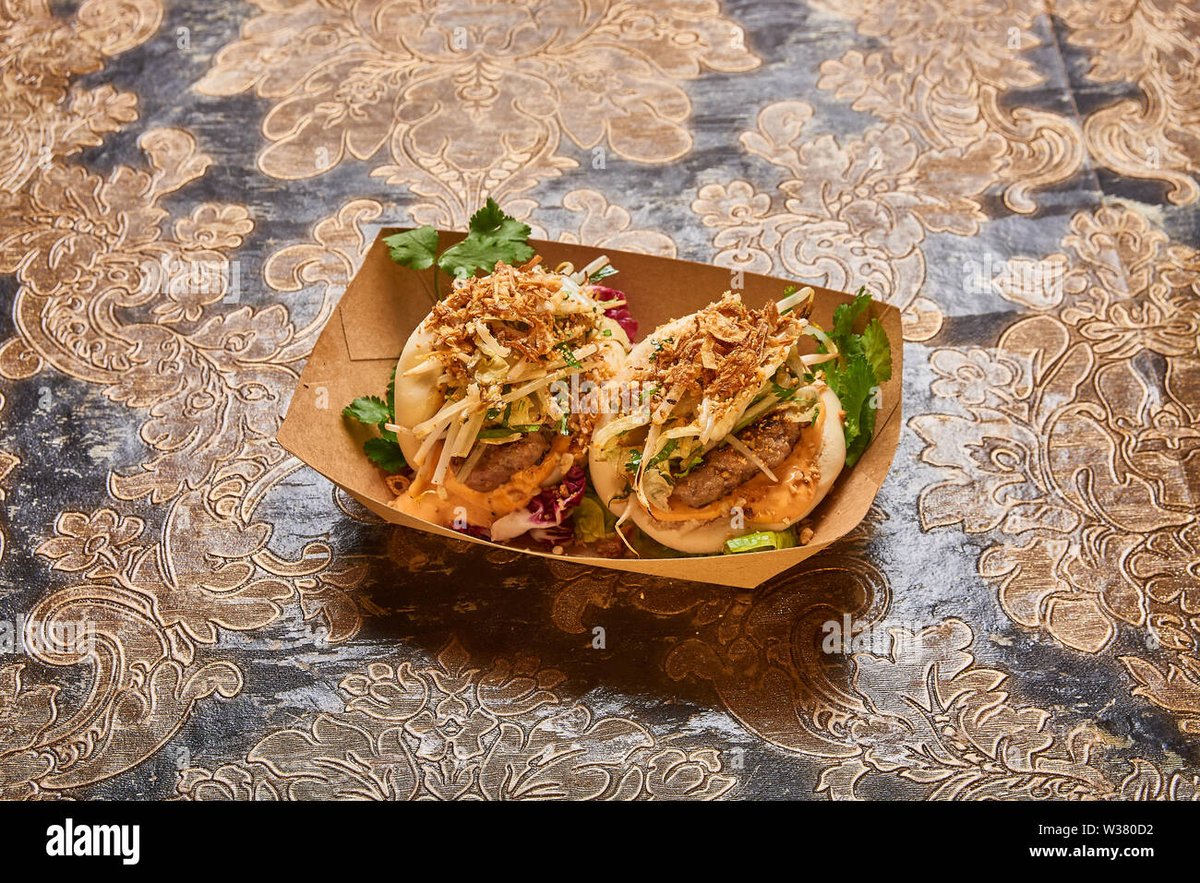
Imagine a warm, cloud-like dumpling, pillowy soft and bursting with savory or sweet flavors. That, in essence, is a bao bun – a beloved culinary creation that has captivated palates worldwide. More than just a simple snack, bao is a cultural icon, a testament to ancient culinary traditions, and a versatile dish that can be a grab-and-go meal or a centerpiece on any table.
From its humble origins in Northern China to bustling markets in East Asia and vibrant Chinatowns across the globe, the bao bun holds a special place in the hearts (and stomachs) of many. If you've ever savored its unique texture and rich fillings, you know the craving is real. If you haven't, prepare to embark on a delicious journey into its delightful world.
What Exactly is a Bao? Unpacking the Steamed Marvel
At its core, a bao bun (also known as baozi, pau, or humbow) is a fluffy, steamed, bread-like dumpling. Originating from Northern China, it's typically round, smooth, and traditionally filled with savory pork. Steamed in bamboo baskets, these buns often carry a subtle, earthy wooden scent that enhances their appeal. They are a staple in Chinese, Hong Kong, Taiwanese, and East Asian cuisine, found everywhere from street food stalls to high-end restaurants. To truly appreciate its journey and significance, you might want to Explore baos definition and history.
While it shares some similarities with other dumplings, bao stands apart. It's larger, steamed, and made from a unique fermented yeast dough that requires a significant rise time, giving it that characteristic soft, airy texture. This contrasts with smaller, often boiled or pan-fried dumplings made from unfermented dough. The dough itself is a simple yet magical blend of all-purpose flour, sugar, baking powder, rice vinegar, milk powder, lukewarm water, cooking oil, and dried yeast, all working together to create its signature smoothness.
A World of Bao: Exploring Diverse Varieties and Tempting Fillings
The beauty of bao lies in its incredible versatility. While the traditional pork filling is iconic, the range of bao types and their fillings is vast and wonderfully diverse, catering to every imaginable taste. Imagine biting into a juicy, broth-filled delight or a sweet, comforting treat – there’s a bao for every mood.
Common savory types include the famous Cha Siu bao, brimming with barbecue-flavored pork, and the innovative Tangbaozi, a soup-filled baozi so rich it's often enjoyed with a straw. Xiaolongbao, another small, meat-filled baozi, also contains a delightful juicy broth. Then there's Gua bao, the open-faced bao made with a flat, folded steamed dough, perfect for stuffing with succulent pork belly and toppings. Fillings aren't limited to pork; you'll find beef, chicken, lamb, seafood, and a vibrant array of vegetables. For those with a sweet tooth, options like Doushabao, filled with sweet bean paste, or even chocolate bao, offer a delightful dessert experience. You can dive deeper into this flavorful landscape and Discover bao types and fillings.
The taste of a bao bun largely depends on its filling, which is often a harmonious blend of savory and mildly sweet. If you come across an unfilled bao bun, it's known as "mantou." These have a wonderfully chewy texture and taste and smell like fresh bread, often served as a comforting side dish with saucy main courses like stewed eggplant or braised tofu.
The Art of Crafting Bao: From Dough to Steaming Basket
The creation of a perfect bao bun is an art form, a testament to patience and precision. It begins with the dough, a carefully balanced mixture that includes all-purpose flour, sugar, baking powder, rice vinegar, milk powder, lukewarm water, cooking oil, and dried yeast. These ingredients are precisely combined to achieve the signature soft and smooth texture that bao is famous for.
The process is intricate and rewarding, often taking up to four hours from start to finish. It involves several critical steps: mixing and kneading the dough for a significant period, allowing it to rise until doubled, flattening and kneading again with baking powder for extra fluffiness, and then meticulously shaping each bun. The final, crucial step is the steaming, where the buns puff up beautifully in a hot steamer for just about eight minutes. This meticulous process is what transforms simple ingredients into the airy, delightful buns we adore. To truly understand the magic, learn more about How Bao is Made: Dough.
Bao's Place in Culture and Where to Savor the Experience
Bao buns are far more than just food; they are an integral part of Chinese culture and cuisine, representing comfort, tradition, and community. From family meals to festive celebrations, baozi grace tables and street corners, embodying the rich culinary heritage of East Asia. They are a beloved grab-and-go meal for busy mornings, a comforting snack, or a delightful component of a larger dim sum spread. Unfilled mantou also play a vital role, often served alongside rich, saucy dishes like dongpo pork or braised tofu, soaking up every last bit of flavor. For a deeper understanding of its cultural impact, consider exploring Bao in Chinese Culture & within its broader culinary context.
Finding authentic bao is an exciting adventure in itself. Whether you're in a bustling market in Hong Kong, a traditional eatery in Taiwan, or a vibrant Chinatown in any major city around the world, the aroma of freshly steamed bao is never far. Many restaurants specialize in crafting these delightful buns, offering a wide array of choices from classic char siu to innovative vegetarian options. For tips on how to find the most delectable buns and enjoy them to their fullest, you might want to learn Where to Find & Enjoy them.
Navigating Health & Dietary Considerations
While bao buns are a delicious treat, their healthiness can vary depending on the filling. The dough itself contains flour, yeast, sugar, baking powder, milk, and oil, making it a sweet and satisfying indulgence. As with any delightful food, enjoying bao as part of a balanced diet is key. For those with dietary restrictions, it's worth noting that standard bao recipes typically contain wheat, making them unsuitable for gluten intolerance. However, with the rising popularity of bao, many recipes now offer substitutions when made from scratch, allowing more people to enjoy this culinary wonder.
Embracing the Bao Journey
From its historical roots as a humble steamed bun to its current status as a global culinary phenomenon, the bao bun continues to delight and evolve. Its versatility in fillings, the comforting warmth of its fluffy dough, and its deep cultural significance make it a dish worth exploring and savoring. Whether you're a seasoned bao enthusiast or new to its charms, there's always something new to discover about this irresistible steamed treat. So, go forth and explore the delicious world of bao!
Panduan Terkait
Jangan lewatkan panduan mendalam berikut: