From bustling street markets to Michelin-starred restaurants, bao buns are a global sensation, offering an incredible journey for your taste buds. These fluffy, cloud-like steamed buns, pronounced "bow," are a cornerstone of Chinese cuisine, but their versatility knows no bounds. If you've ever wondered about the different types of bao & popular fillings that grace these delectable dough pockets, you're in the right place. We'll unpack everything from the classic Char Siu Bao to the trendy Gua Bao, exploring a universe of savory and sweet fillings that promise something for every palate.
At a Glance: Your Bao Bun Essentials
- Bao Basics: Steamed buns originating from China, characterized by a light, airy, and fluffy yeasted dough.
- Gua Bao: The popular open-faced "pocket bun," typically filled with savory ingredients.
- Beyond Gua Bao: Other types include fully enclosed buns (Baozi, Char Siu Bao), soup-filled dumplings (Xiao Long Bao), pan-fried varieties (Sheng Jian Bao), and an array of sweet options.
- Filling Frenzy: From traditional BBQ pork to innovative vegan jackfruit, crispy chili beef, and Gochujang tofu, the filling possibilities are endless.
- The Perfect Partner: Don't forget crunchy slaws and tangy pickles to elevate your bao experience.
- DIY Delight: A simple, reliable recipe for homemade bao dough empowers you to craft your own buns from scratch.
- Serving Suggestions: Enjoy them as a light starter or a hearty main course, complemented by fresh side dishes.
What Exactly Are Bao Buns? The Cloud-Like Canvas
At its heart, a bao bun is a steamed, yeasted dough confection, renowned for its incredibly soft, pillowy texture. Think of a fluffy bread, but steamed rather than baked, resulting in a unique chewiness and a delicate sweetness. While the term "bao" broadly refers to any steamed bun, there's a fascinating variety within this category, each with its own structure and purpose.
The dough itself is typically made from a specific type of white flour, often Hong Kong flour, which contributes to the bun's characteristic bright white color and super-soft crumb. However, home cooks can achieve excellent results with all-purpose or cake flour, though the buns might have a slightly yellowish tint. This versatile dough serves as the perfect canvas for an astonishing array of fillings. To truly understand the history and cultural significance of these beloved buns, delve deeper into the world of bao.
Gua Bao: The Iconic "Pocket Bun"
Among the most recognizable types, especially in Western culinary scenes, is Gua Bao. This specific style translates to "pocket bun," and the name perfectly describes its form. Unlike fully enclosed buns, Gua Bao is served open-faced, with the steamed dough folded over like a taco or a sandwich. This creates a soft, warm pouch ready to be generously stuffed.
Gua Bao are typically filled with savory components – succulent meats, crisp pickled vegetables, and luscious sauces are classic companions. Their design makes them incredibly satisfying to eat, allowing you to enjoy a perfect bite of all the layered textures and flavors at once. Their rising popularity has made them a staple in many modern Asian eateries, inspiring countless creative filling combinations.
Diving Deep into Gua Bao: The Open-Faced Marvel
Gua Bao truly shine when bursting with flavorful fillings. The beauty of the open-faced bun is the freedom it offers for customization and experimentation. Here, we'll explore a range of popular options, from classic meat dishes to exciting vegan alternatives, ensuring there's a delicious filling for every preference.
Sensationally Savory Meat Fillings for Your Gua Bao
These recipes offer a fantastic starting point for your Gua Bao adventure, blending traditional Asian flavors with satisfying textures.
- Char Siu Chicken:
Imagine tender, crispy pieces of chicken, generously coated in a sticky, sweet-savory Chinese BBQ sauce. This filling delivers an irresistible glaze with a hint of smoky depth, making it a beloved choice for its familiar, comforting flavors. It's a fantastic alternative to pork if you prefer poultry. - Chinese BBQ Glazed Pork Belly:
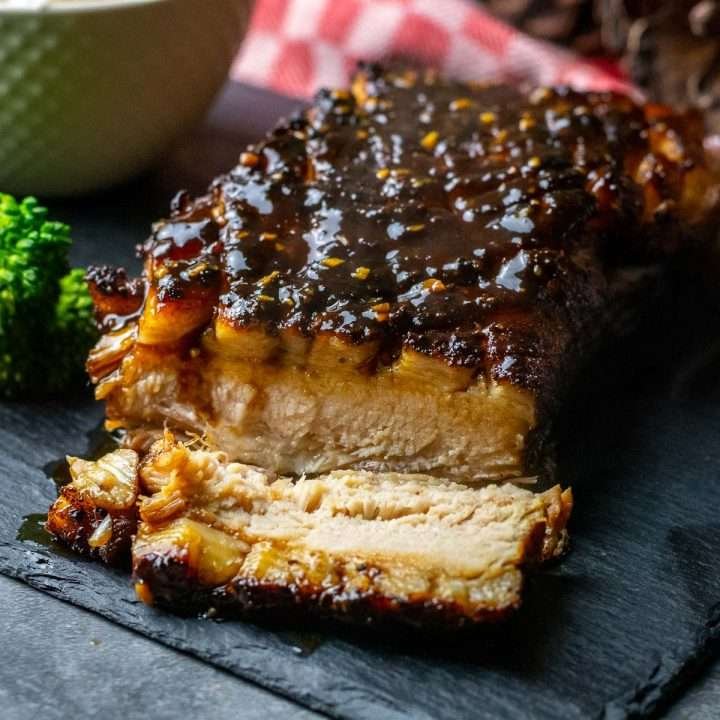
A true crowd-plepleaser, this filling features slow-cooked pork belly, renowned for its melt-in-your-mouth tenderness. Simmered in an aromatic broth until incredibly succulent, then sliced and glazed with a rich Chinese BBQ sauce, it offers a luxurious, fatty richness that pairs perfectly with the light bao bun. - Crispy Honey Chicken (20-Minute Recipe):
For a quicker culinary delight, this recipe is a winner. Chicken pieces are coated in cornflour, then crisped to perfection, before being tossed in a vibrant sauce of honey, orange, and soy. It’s a harmonious blend of sweet, tangy, and savory, offering a satisfying crunch without a long cooking time. - Slow Cooker Pulled Pork:
When you're craving something effortlessly tender, BBQ pulled pork made in a slow cooker is your answer. This method yields incredibly juicy, shreddable pork infused with smoky BBQ flavors, creating a hearty and comforting filling that practically melts in your mouth. It's fantastic for feeding a crowd or for meal prepping. - Crispy Chilli Chicken (30+ Minute Recipe):
This filling is a symphony of flavors: sweet, salty, subtly spicy, and deeply umami. Crispy chicken pieces are coated in a vibrant chili sauce that offers a delightful kick without overpowering the other elements. It's a dynamic option for those who enjoy a bit of heat and complexity in their bite. - Crispy Chilli Beef:
A popular British Chinese takeaway favorite, crispy chili beef brings an extra layer of crunch and flavor to your bao. It’s mildly spicy, salty, and sweet, with a distinct umami depth and aromatic notes. The crisp texture of the beef contrasts beautifully with the soft bao, making for an exciting culinary experience.
Plant-Based Power: Vegan Gua Bao Fillings
The versatility of bao extends wonderfully to plant-based options, proving that vegan fillings can be just as rich and satisfying.
7. Satay-Style Pulled Jackfruit (Vegan):
Jackfruit, when cooked, mimics the texture of pulled meat, making it an ideal canvas for savory flavors. Here, it's shredded and mixed with a creamy, aromatic satay-style sauce featuring peanut butter and hoisin. It’s a deeply satisfying, flavorful, and wonderfully textured vegan option.
8. Sticky Shiitake Mushrooms (Vegan):
Shiitake mushrooms are celebrated for their earthy, umami-rich flavor. For this filling, they're coated in cornflour, fried until crisp, and then generously coated in a sweet and savory Char Siu-style sauce. The result is a delightfully sticky, meaty-textured filling that’s packed with flavor.
9. Gochujang Tofu (Chinese-Korean Fusion):
For a bold, modern twist, crispy Gochujang tofu offers a fantastic fusion of Chinese and Korean flavors. The tofu is fried until golden and crisp, then crumbled and tossed in a spicy, savory, and slightly sweet Gochujang sauce. It’s a vibrant, protein-packed filling that adds an exciting kick to your bao.
The Perfect Crunch & Tang: Slaws and Pickles for Your Bao
While the fillings are the stars of the show, the right accompaniments elevate a bao bun from delicious to unforgettable. These fresh, crunchy, and often tangy additions provide crucial textural contrast and a burst of acidity that cuts through richness, balancing every bite.
Refreshing Slaw Recipes
- Asian Cabbage Slaw With Sesame Mayo:
This vibrant slaw combines crisp, fresh vegetables with a creamy, savory sesame mayo dressing. It adds a delightful crunch and a nutty undertone that complements most Asian fillings. For those who crave an extra zing, a dash of sriracha can be stirred into the mayo for a spicy kick. - Homemade Red Cabbage Slaw:
Featuring thinly sliced red cabbage, finely shredded carrots, and crisp spring onions, this slaw boasts a beautiful medley of colors and textures. It’s dressed in a tangy-sweet concoction of Dijon mustard, vinegar, honey, and lime juice, making it an excellent partner for sweeter Asian fillings like honey chicken or char siu pork.
Quick Pickles: A Tangy Alternative
If slaws aren't your preference, or you're looking for an even simpler solution, quick pickled vegetables are a fantastic choice.
- Quick pickled cucumbers offer a refreshing, briny crunch.
- Quick pickled carrots provide a subtle sweetness and a satisfying snap.
Both are incredibly easy to make by simply marinating thinly sliced vegetables in a mixture of vinegar, sugar, and water for a short period. They bring that essential acidic brightness that makes your bao pop.
Beyond the Pocket: Other Delicious Types of Bao
While Gua Bao has captured widespread attention, the world of bao is far richer, encompassing a variety of shapes, cooking methods, and filling styles. Each type offers a unique culinary experience, showcasing the incredible versatility of this humble steamed dough. Each variety offers a unique experience, inviting you to explore the full spectrum of what bao can be.
Char Siu Bao (叉燒包 chāshāobāo): The Dim Sum Classic
Perhaps the most famous of the enclosed bao, Char Siu Bao is a quintessential item on any dim sum menu. These round, perfectly sealed buns feature a slightly sweet, soft dough that encases a generous filling of sweet and savory Char Siu pork. The pork, typically roasted, marinated, and finely chopped, provides a burst of umami and a hint of sweetness that is utterly addictive. The key to a great Char Siu Bao lies in the perfect bun-to-meat ratio, ensuring a balanced bite. While Char Siu pork is traditional, some variations might feature pulled pork or seasoned chicken mince.
Xiao Long Bao (小籠包/小笼包 xiǎolóngbāo): The Soupy Delight
Often referred to as soup dumplings, Xiao Long Bao are a marvel of culinary engineering. While resembling a traditional Chinese dumpling in appearance, their magic lies within: a savory meat filling (traditionally pork) and a gelatinous aspic that melts into a rich, flavorful broth as the dumpling steams. Eaten carefully with a spoon and often dipped in a ginger-vinegar sauce, these delicate parcels deliver an explosion of flavor. Modern interpretations now include diverse fillings like Singapore chili crab, luxurious truffle, foie gras, or even cheese, pushing the boundaries of this classic.
Sheng Jian Bao (生煎包/生煎包): The Pan-Fried Wonder
Offering a delightful contrast in textures, Sheng Jian Bao are pan-fried bao. These buns are first steamed, then pan-fried on the bottom until golden brown and crispy, while the top remains soft and fluffy. This dual cooking method creates an incredibly satisfying experience: a crispy base giving way to a tender dough and a juicy filling. Fillings for Sheng Jian Bao commonly include succulent pork, but vegetarian versions featuring a flavorful mix of sautéed vegetables, mushrooms, and tofu are also popular.
Sweet Bao for a Sweet Finish
Bao isn't just for savory cravings; a delightful range of sweet buns provides the perfect ending to a meal or a comforting treat anytime.
- Lotus Paste Buns (蓮蓉包/莲蓉包 liánróngbāo): A traditional favorite, these buns are filled with a smooth, subtly sweet paste made from lotus seeds.
- Red Bean Paste Bao: Another classic, featuring a rich, sweet paste made from adzuki beans.
- Salted Egg Custard Bao: A creamy, slightly sweet and savory custard filling, often with a vibrant yellow hue, that's a dim sum highlight.
- Modern variations have expanded to include contemporary favorites like chocolate-filled bao, catering to global tastes.
Crafting Your Own Bao Buns: A Step-by-Step Guide
Making your own bao buns from scratch is a rewarding experience that allows you to customize them to your exact preferences. The dough recipe is surprisingly straightforward, yielding fluffy, pliable buns perfect for any of the fillings discussed. Understanding how to steam them perfectly is a key part of appreciating all types of bao.
Homemade Bao Bun Dough Recipe
(Yields 11 portions, 35-40g each)
Ingredients:
- 280g (0.6 lb) white flour (Hong Kong flour is ideal, but cake flour or all-purpose flour works)
- 150g (0.625 Cups / 5.3 oz) lukewarm water (or milk for a richer dough)
- ½ teaspoon baking powder
- 3g (1 teaspoon) instant dried yeast
- 15g (1¼ Tablespoon) white caster sugar
- ¼ teaspoon salt
- 1 Tablespoon oil (vegetable oil or neutral oil)
Instructions:
- Activate Yeast: In a small bowl, combine the instant dried yeast and lukewarm water. Stir gently and let it sit for several minutes until small bubbles appear on the surface, indicating the yeast is active.
- Combine Dry Ingredients: In a large mixing bowl, whisk together the baking powder, flour, and white caster sugar.
- Mix Wet and Dry: Pour the activated yeast mixture into the dry ingredients. Mix well with a spoon or your hands until a shaggy dough forms.
- Add Salt and Oil: Now, add the salt and oil to the dough. Mix carefully, ensuring the salt doesn't directly touch the yeast for an extended period before mixing fully, as it can inhibit yeast activity.
- Knead the Dough: Transfer the dough to a lightly floured surface. Knead for 3-5 minutes until the dough becomes smooth, elastic, and no longer sticky. It should spring back slowly when poked.
- First Proof (Rising): Lightly oil a clean bowl. Place the dough ball in the bowl, turning it once to coat with oil. Cover the bowl tightly with a damp towel or plastic wrap. Let the dough rest in a warm place (around 25°C or 77°F) until it has doubled in size, typically about 1 hour.
- Deflate and Reshape: Once doubled, gently punch down the dough to release the air. Knead it briefly for about 1-2 minutes on a lightly floured surface to create a smooth, even texture.
- Divide and Shape: Divide the dough into 11 equal portions, each weighing approximately 35-40g. Roll each portion into a smooth ball.
- Rest Gluten: Cover the dough balls and let them rest for 5-10 minutes. This allows the gluten to relax, making the dough easier to roll.
- Prepare for Steaming:
- For Gua Bao: Roll each dough ball into an oval shape, then fold it in half without pressing the edges together. Place each folded bun on a small square of parchment paper (about 2-3 inches).
- For fully enclosed buns (like Char Siu Bao): Flatten a dough ball, place your chosen filling in the center, gather the edges, and pinch them together to seal. Place the bun seam-down on a small piece of parchment paper.
- Second Proof: Arrange the prepared buns in your steamer basket, ensuring there's enough space between them for expansion. Cover the steamer and let the buns rest for a second proof for about 20 minutes. They should look slightly puffy.
- Steam the Buns: Fill your steamer pot with water and bring it to a boil. Place the steamer basket containing the buns over the boiling water. Steam the bao buns for 7-8 minutes. They should be soft, fluffy, and cooked through.
- Rest After Steaming: Once steamed, turn off the heat but leave the buns in the covered steamer for another 5 minutes. This prevents them from deflating due to a sudden temperature change. After 5 minutes, carefully uncover and serve immediately.
Serving Your Steamed Delights: Pairing & Presentation
Once your bao buns are steamed to perfection, whether you've made Gua Bao, Char Siu Bao, or another delightful type, how you serve them can elevate the entire meal.
Portioning and Garnish
- Light Starter: Plan for about 2 buns per person if serving as an appetizer or light snack.
- Substantial Main: Double the number of buns to 4 per person for a filling main course.
For an appealing presentation and an extra layer of flavor, always garnish your bao. A sprinkle of toasted sesame seeds and freshly chopped spring onions (scallions) adds color, a hint of nutty flavor, and a fresh bite. A drizzle of sriracha or a touch of fresh chili can also provide a visual and flavor pop.
Complementary Side Dishes
To complete your bao feast, consider pairing them with fresh, vibrant side dishes that balance the richness of the fillings:
- Cucumber Salad with Rice Vinegar Dressing: A light and refreshing salad that offers a cool contrast.
- Pickled Vegetables: Beyond the quick pickles for inside the bun, serve extra pickled carrots or daikon radish on the side for a tangy palate cleanser.
- Steamed or Stir-Fried Pea Shoots: A simple green vegetable offering a delicate flavor and tender texture.
- Griddled Bok Choy: Briefly griddled bok choy provides a slightly charred flavor and a tender-crisp texture.
- Asian Broccoli Salad: A crunchy, vibrant salad with an Asian-inspired dressing for a healthy and flavorful accompaniment.
Steamer Setup: What You Need
While a traditional bamboo steamer is beautiful and effective, don't let its absence deter you. You can easily steam bao buns using:
- A metal steamer pot with a lid, placed over a pot of boiling water.
- An electric vegetable steamer, which offers a convenient, hands-off approach.
The key is to ensure the water doesn't touch the bottom of the steamer basket and that the lid fits snugly to trap the steam effectively.
Mastering Your Bao Journey: Tips for Success
The journey into the world of bao is one of endless discovery and deliciousness. Whether you're a seasoned chef or a curious home cook, these versatile buns offer a canvas for creativity and a passport to incredible flavors.
Embrace Customization: Don't be afraid to experiment with your own filling creations. The beauty of bao lies in its adaptability. Think about balancing flavors – sweet, savory, spicy, tangy – and textures – crispy, soft, tender, crunchy. The suggestions provided here are just a starting point; let your imagination guide you.
Quality Ingredients Matter: While substitutions are possible, using fresh, high-quality ingredients, especially for your proteins and vegetables, will always yield the best results. For your dough, investing in the right flour can make a noticeable difference in texture and appearance.
Perfect Your Steam: Steaming is an art. Over-steaming can make buns tough, while under-steaming leaves them doughy. Pay attention to the recommended times and the appearance of your buns. The post-steaming rest is crucial for maintaining their fluffy texture.
Bao buns, in all their diverse forms and with their myriad of fillings, are more than just food; they're a culinary experience, a reflection of rich traditions, and a celebration of flavor. So, grab your chopsticks, gather your ingredients, and get ready to enjoy the incredible world of Types of Bao & Popular Fillings – a truly delightful adventure for every palate.