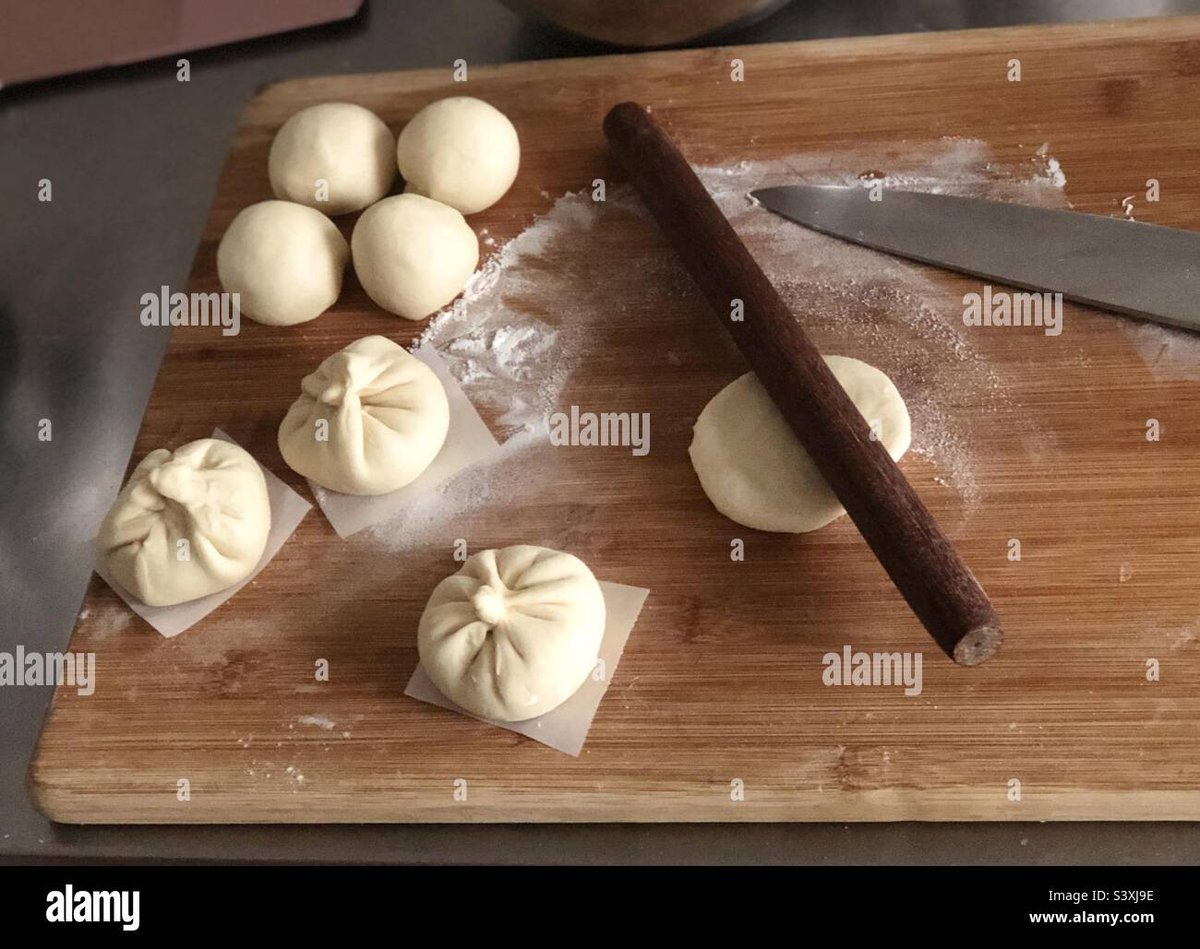
For years, the idea of crafting those impossibly soft, cloud-like bao buns at home felt like a culinary Everest for many home cooks. But what if I told you that achieving that perfect, pillowy texture isn't just possible, but genuinely enjoyable? This Beginner's Guide to Making Bao at Home will demystify the process, turning you into a confident bao bun artisan, ready to steam up a storm. Forget complicated techniques and endless rising times; we're breaking down everything you need to know to create delightful bao from scratch, right in your own kitchen.
At a Glance: Your Path to Pillowy Bao
- Speedy Start: Leverage instant yeast and baking powder for a quick dough that can be ready for steaming in under an hour.
- The Power of Kneading: Don't skip this crucial step; proper kneading (5-10 minutes) ensures a smooth, elastic, and blotch-free bun.
- Warmth is Key: Both rises need a cozy, warm spot to help your dough double in size and achieve that signature fluffiness.
- Shape with Care: Cut uniform rounds, oil them, and gently fold to create the perfect pocket for your fillings.
- Steaming Success: Whether using a traditional bamboo steamer or a modern steam oven, precise timing and consistent heat are vital for soft, fully cooked buns.
- Fillings Galore: Bao buns are incredibly versatile, embracing everything from savory meats to delicious vegetarian options.
- Freeze for Later: Enjoy fresh, or easily store and reheat your homemade bao for future cravings.
Why Embark on the Bao Journey? It's More Than Just a Bun
Imagine a culinary canvas that’s both a comfort food and an exciting gourmet experience. That's a bao bun. Often described as a delightful hybrid between a burger and a taco, these steamed beauties offer an incredible base for an endless array of fillings. They're soft, slightly sweet, and soak up flavors like a dream, making them perfect for using up leftovers or showcasing your favorite slow-cooked meats and vibrant vegetables. Beyond their versatility, there's a unique satisfaction in pulling a perfectly puffed, gleaming white bao from your steamer – a testament to your hands-on culinary prowess.
The Magic Behind the Fluff: Understanding Your Ingredients
Every great bao starts with a careful selection of its core components. Think of these as the building blocks for that signature soft and pillowy texture.
- The Flour Foundation:
- Plain Flour (All-Purpose): This is your workhorse. It provides the necessary gluten structure for a chewy yet tender bun. No need for fancy bread flour here.
- Cornflour (Cornstarch): For an extra touch of lightness and ethereal fluffiness, a small addition of cornflour can make a noticeable difference, creating a more delicate crumb.
- Bleached Flour: If you're chasing that pristine, snowy-white bao aesthetic often seen in professional kitchens, bleached flour is your secret weapon. It lacks the slight yellowish tint of unbleached varieties.
- The Dynamic Duo of Rise: Yeast & Baking Powder:
- Instant Yeast: This hardworking fungus is responsible for the bulk of your dough's rise, creating gas bubbles that expand and lighten the dough. Instant yeast is fantastic because it can be mixed directly with dry ingredients, cutting down on proofing time.
- Baking Powder: This isn't just for cakes! In bao buns, baking powder works in conjunction with yeast to provide an extra lift, contributing significantly to that sought-after pillowy, cloud-like texture and ensuring a rapid rise. It's a key player in achieving speed and softness.
- The Wet Wonders: Water & Oil:
- Warm Water: The temperature is critical. Too hot, and you'll kill the yeast; too cold, and it won't activate properly. Aim for slightly more than lukewarm – think bathwater warm, not boiling. This helps activate the yeast and brings the dough together smoothly.
- Oil: A touch of neutral oil (like vegetable or canola) in the dough contributes to its tenderness, keeps it supple, and prevents it from sticking. It's also used on the surface of the dough during shaping to prevent sticking.
Gathering Your Toolkit: Essential Equipment for Bao Making
You don't need a professional kitchen to make amazing bao. Most of these items you likely already own:
- Large Mixing Bowl: For bringing your dough ingredients together.
- Stand Mixer with Dough Hook (Optional, but Recommended): If you want to save your arms, a stand mixer makes kneading a breeze.
- Clean Hands: Your best tools if you're kneading by hand!
- Rolling Pin: To achieve that uniform dough thickness.
- 8 cm (3 inch) Round Cookie Cutter: For perfectly shaped bao rounds. A drinking glass rim can also work in a pinch.
- Small Squares of Baking Paper (Parchment Paper): Essential for preventing your shaped buns from sticking to the steamer.
- Steamer:
- Bamboo Steamer: The traditional choice, placed over a saucepan with boiling water. Ensure it fits snugly over your pot.
- Steamer Basket Insert: A metal steamer basket that fits inside a pot.
- Steam Oven/Combi-Steam Oven: A modern, efficient option if you have one.
- Large Tray or Baking Sheet: For the second rise.
- Clean Tea Towel or Plastic Wrap: To cover your dough during proofing.
Step-by-Step: Crafting Your Perfect Bao Dough
This is where the magic truly happens. Follow these steps, and you'll be well on your way to perfectly fluffy bao.
Phase 1: Bringing It All Together – The Initial Mix
- Combine Dry Ingredients: In your large mixing bowl (or stand mixer bowl), whisk together your flour (including cornflour if using), instant yeast, baking powder, and a pinch of salt. Ensure they are evenly distributed.
- Add Wet Ingredients: Pour in the warm water and oil.
- Form a Rough Dough: Using a wooden spoon or your hands, stir the mixture until it comes together into a shaggy, rough dough. It might look a little dry and crumbly at first, but don't worry – the kneading stage will transform it.
Phase 2: The Art of Kneading – Developing the Dough
Kneading is the most crucial step for developing the gluten structure that gives bao its chewiness and elasticity. Don't skimp on this!
- By Hand:
- Turn the rough dough out onto a lightly floured surface.
- Use the heel of your hand to push the dough away from you, stretching it.
- Fold the dough back over itself, give it a quarter turn, and repeat the push-fold-turn motion.
- Continue this rhythmic process for approximately 5 minutes. You'll notice a dramatic change: the dough will transform from a dry, rough mass into a soft, smooth, elastic, supple, and bouncy ball. It should feel springy and much less sticky.
- With a Stand Mixer:
- Attach the dough hook to your stand mixer.
- Mix the dough on medium speed for about 10 minutes.
- The dough should pull away cleanly from the sides of the bowl and gather around the hook, looking soft and smooth.
- The Dough Readiness Test: To confirm your dough is perfectly kneaded, gently press a clean finger into the surface. If the dough springs back immediately and the indent disappears, it's ready. If the indent remains, continue kneading for another minute or two and test again.
Phase 3: The First Ascent – Proofing for Volume
Now, we let the yeast do its work, creating those essential air pockets.
- Prepare for Rise: Lightly oil a clean bowl (the same one you just mixed in works fine). Place your kneaded dough ball into the bowl and turn it once to coat lightly in oil.
- Cover & Warm: Cover the bowl tightly with plastic wrap or a clean, damp tea towel. The key here is warmth. Your dough needs a cozy spot to rise.
- Oven with Light On: A common trick – the heat from the oven light creates a gentle warmth.
- Oven with Boiling Water: Place a tray with about 1 liter (4 cups) of boiling water on the bottom rack of your oven, then put your covered dough bowl on a higher rack. The steam and warmth create an ideal environment.
- Steam Oven/Combi-Steam Oven: If you have one, set it to 25-40°C (77-104°F).
- First Rise Duration: Let the dough rise for 60-90 minutes (or 1.5 hours in a steam oven at 40°C / 104°F) until it has doubled significantly in size. This patience will be rewarded!
Phase 4: Deflating & Refining – The Second Knead
After its first rise, the dough will be full of air. This step helps create an even texture.
- Punch Down: Gently punch the risen dough down to release the trapped air.
- Brief Knead: Turn the dough out onto a lightly floured surface and knead it by hand for about 5 minutes. This helps redistribute the yeast, refine the gluten structure further, and ensure your buns don't have large, irregular air pockets. The dough will feel incredibly smooth and luxurious at this point.
Phase 5: From Dough to Buns – Shaping Your Bao
This is where your dough takes on its recognizable form.
- Roll It Out: Roll the dough evenly with a rolling pin to a thickness of approximately 1 cm (0.4 inches). Try to maintain a somewhat rectangular or oval shape for efficient cutting.
- Oil the Surface: This is a neat trick! Rub a very thin layer of oil onto the entire surface of the rolled-out dough. This prevents the folded buns from sticking together during steaming and creates that characteristic soft 'hinge'.
- Cut Rounds: Using your 8 cm (3 inch) cookie cutter, cut out as many rounds as possible.
- Parchment Paper Base: Place each dough round on a small square of baking paper. This prevents sticking in the steamer.
- Fold & Flatten:
- Carefully fold each round in half, gently pressing the edges together only at the very top (creating a small hinge) – you're not sealing it completely shut, just creating the folded shape.
- Using your rolling pin, gently flatten the folded bun slightly. This helps create that iconic 'clamshell' shape, ready to be stuffed with fillings later.
- Re-roll Scraps: Gather any dough scraps, gently knead them together a few times, and re-roll to cut more bao buns until all the dough is used.
Phase 6: The Final Puff – Second Proofing
Almost there! This second, shorter rise is crucial for the final fluffiness.
- Arrange & Cover: Arrange your shaped buns on a large tray, making sure to leave some space between them as they will puff up.
- Proof: Cover the tray with a clean tea towel or plastic wrap. Place it back in a warm spot (using the same methods as the first rise) for about 30 minutes. The buns should look slightly puffed and noticeably lighter.
Steaming Your Bao to Pillowy Perfection
The final step before feasting! Steaming ensures your bao buns are cooked through, incredibly soft, and never dry.
Method 1: The Traditional Bamboo Steamer (or Stove-top Steamer Basket)
- Prepare the Steamer: Fill a saucepan (ensure it's the same diameter as your bamboo steamer or the pot for your steamer basket) one-third full with boiling water. Bring the water to a simmer over low-medium heat. It should produce consistent steam, but not boil so aggressively that it splashes onto the buns or runs dry too quickly.
- Arrange Buns: Place the shaped buns (still on their individual baking paper squares) into your bamboo steamer baskets. Make sure to leave ample space between each bun – they will expand significantly. Do not overcrowd the steamer, as this can lead to uneven cooking and soggy buns. You'll likely need to steam in batches.
- Steam: Place the bamboo steamer (or steamer basket) over the simmering water. Cover tightly with the lid.
- Cook Time: Steam for 10-12 minutes. Resist the urge to lift the lid during steaming, as this can cause the buns to collapse.
- Check for Doneness: The buns should be puffy, soft to the touch, and opaque white. A fully cooked bao will feel light and airy.
Method 2: The Modern Steam Oven/Combi-Steam Oven
- Preheat: Increase your steam oven temperature to 100°C (212°F).
- Place Buns: Once heated, carefully place the tray of shaped buns (still on their baking paper) into the steam oven.
- Steam: Steam for 10-12 minutes. Again, avoid opening the oven door too frequently.
- Check for Doneness: The buns will be visibly puffed up, soft, and uniformly cooked.
Beyond the Bun: Filling Your Bao Creations
This is where you truly make your bao your own! The beauty of the folded bao bun is its adaptability. Think of it as a delicious, soft pocket ready for any number of incredible fillings.
- Classic Comforts:
- Sticky Pulled Pork: A perennial favorite, slow-cooked until meltingly tender and coated in a sweet and savory sauce.
- Char Siu Pork: The iconic Chinese BBQ pork, thinly sliced and bursting with flavor.
- Crispy Pork Belly: The ultimate indulgence, with a perfectly rendered fat layer and crackling skin.
- Poultry Powerhouses:
- Korean Grilled Chicken: Spicy, sweet, and tangy, this works beautifully in a fluffy bao.
- Crispy Fried Chicken: A fun, unexpected twist, offering a delightful textural contrast.
- Vibrant Vegetarian & Vegan Options:
- Miso Aubergine (Eggplant): Tender, caramelized, and umami-rich.
- Pulled Mushrooms: Hearty and flavorful, especially great for a plant-based alternative to pulled pork.
- Tofu or Tempeh: Marinated and pan-fried for a protein-packed option.
- The Leftover Hero: Don't underestimate the power of bao to transform last night's dinner. Almost any braised meat, roasted vegetable, or even a hearty stew can find a new life tucked inside a warm bao bun.
Experiment with crunchy garnishes like pickled daikon, fresh cilantro, chopped peanuts, or a drizzle of sriracha mayo to elevate your bao experience.
A Glimpse into Tradition: Other Bao Styles
While the modern folded bao bun (guabao) has become a global sensation, the world of bao is rich and diverse. Traditionally, Chinese steamed buns come in many forms. Some are perfectly round, with delicious, enclosed fillings, like the famous char siu bao which has barbecued pork hidden within. Others are plain round buns, sometimes adorned with an elegant twisted knot, served alongside dishes like succulent roast duck, meant to be torn and enjoyed with the main course. It's fascinating to Discover what bao is in its many variations and how it has evolved over centuries. Our folded bao buns offer a contemporary, interactive way to enjoy these fluffy clouds of deliciousness.
Troubleshooting Your Bao Journey: Common Questions & Quick Fixes
Even experienced bakers have their off days. Here's how to tackle common bao bun dilemmas:
- "My Buns are Blotchy/Uneven!"
- The Fix: This almost always points to insufficient kneading. Remember, proper kneading (Phase 2) develops the gluten and creates a smooth, even dough that results in uniformly white buns. If your dough still looks rough after the initial kneading time, keep going until it's silky smooth.
- "My Buns are Dense and Heavy!"
- The Fix: This usually means your dough was under-proofed (didn't rise enough) or your yeast wasn't active. Ensure your warm place is genuinely warm (not hot!), and give the dough the full recommended rising time. Check your yeast's expiration date.
- "My Buns are Soggy on the Bottom!"
- The Fix: Too much water in your steamer, or the heat was too high, causing aggressive boiling and splashing. Reduce the water level to one-third full and use a consistent low-medium simmer. Ensure there's good airflow in your steamer – don't overcrowd it.
- "My Buns Collapsed After Steaming!"
- The Fix: This can happen if you open the steamer lid too early or too quickly. The sudden temperature change can shock the delicate, puffed buns. Let them rest for a minute or two with the steamer off the heat before slowly lifting the lid.
Storing and Reheating Your Homemade Bao
While bao buns are unequivocally best enjoyed fresh, immediately after steaming, you can absolutely enjoy your homemade creations later.
- Short-Term Storage: If you have cooked leftovers, let them cool completely. Store them in an airtight container at room temperature for up to one day, or in the refrigerator for up to two days. Reheat by steaming briefly (1-2 minutes) until warmed through.
- Long-Term Freezer Storage: Bao buns freeze beautifully! Once completely cooled, place them in zip-lock bags, removing as much air as possible, or an airtight container. They'll keep well in the freezer for 1-2 months.
- Reheating from Frozen: There's no need to thaw! Simply place your frozen bao buns directly into a steamer (over simmering water or in a steam oven) and steam for approximately 5 minutes until they are perfectly warmed through and regain their soft, fluffy texture.
Your Bao Adventure Awaits!
Congratulations! You're now equipped with the knowledge and confidence to make incredible, fluffy bao buns right in your own kitchen. This isn't just a recipe; it's a journey into a rewarding culinary experience. From the satisfying stretch of perfectly kneaded dough to the moment you bite into a warm, pillowy bun bursting with your favorite filling, every step is a delight. So, gather your ingredients, set aside an afternoon, and get ready to impress yourself (and anyone lucky enough to share them) with the magic of homemade bao. Happy steaming!