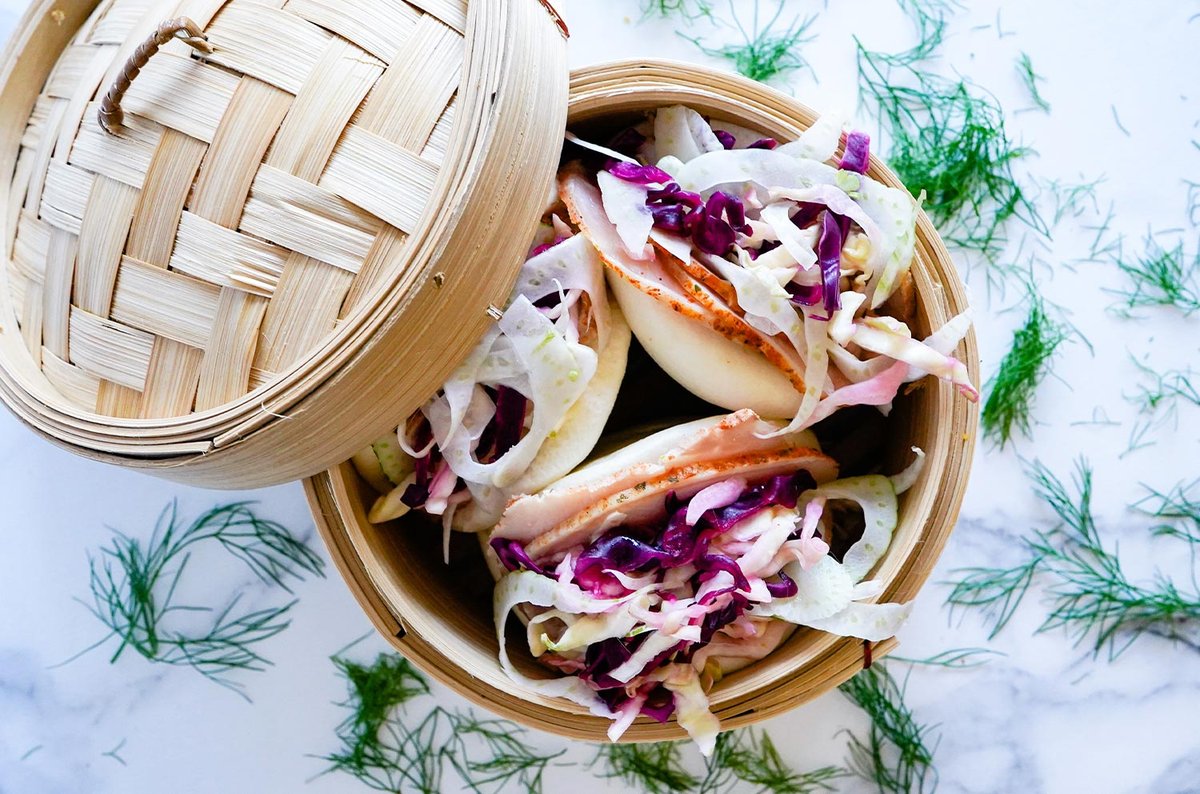
Navigating the vibrant world of Asian cuisine often leads to delightful discoveries, but it can also present a delicious dilemma: what exactly is the difference between bao, dumplings, and the myriad of other steamed and filled parcels? While they might share a common culinary heritage or appear similar at first glance, understanding the nuances between them unlocks a deeper appreciation for each unique bite. Forget generic labels; it's time to demystify these beloved dishes and equip you with the knowledge to savor every tender, savory, or sweet morsel.
At a Glance: Bao vs. Dumplings
- Bao (Baozi): A Chinese steamed bun made from yeast-leavened dough, resulting in a soft, fluffy, and slightly sweet texture. Typically larger, served as a substantial snack or light meal, often with savory or sweet fillings. Primarily steamed.
- Dumplings: A broader category of food parcels, usually with a thinner, unleavened dough wrapper. Generally smaller, with a denser, chewier texture. Versatile cooking methods (boiled, steamed, fried) and predominantly savory fillings.
- Key Distinction: Bao are buns, characterized by their fluffy, yeast-risen dough. Dumplings are parcels with a typically thinner, unleavened wrapper. Therefore, bao are not considered a type of dumpling.
Unpacking Bao: The Fluffy, Pillowy Star
When you hear "bao," you're likely thinking of Baozi (包子), a quintessential Chinese steamed bun. It's an iconic dish, instantly recognizable by its cloud-like appearance and often pleated top, promising a delightful filling within. But what truly defines this culinary marvel?
At its heart, bao is all about the dough. Unlike most dumplings, bao dough is made from wheat flour, yeast, sugar, water, and sometimes milk or oil. This yeast-leavened composition is critical, as it allows the dough to rise significantly, creating that signature soft, fluffy, and wonderfully pillowy texture. Think of it less like a pasta wrapper and more like a miniature, airy bread roll that has been gently steamed. The presence of yeast also means the dough requires more time to prove, contributing to its unique character. Discover what is bao in more detail to fully appreciate its craftsmanship.
The Bao Experience: From Dough to Delight
Once the dough is perfectly risen, it's meticulously wrapped around a diverse array of fillings. These can be wonderfully savory, featuring staples like tender BBQ pork (Char Siu Bao), rich pork belly, flavorful chicken, or hearty tofu and mixed vegetables. But bao also ventures into sweet territory with popular options like creamy lotus seed paste, sweet red bean paste, or a luscious custard. What sets bao fillings apart is often their finely minced nature, designed to blend harmoniously with the soft bun rather than provide large, chunky bites.
The primary cooking method for bao is steaming. This gentle heat not only cooks the filling but also encourages the dough to puff up even further, ensuring that irresistible soft, slightly chewy exterior. While less common, some variations, like baked char siu bao, offer a different textural experience with a slightly crispier, golden-brown crust.
Bao's origins trace back to the Three Kingdoms period in 3rd century AD China, making it a dish steeped in history. Today, it remains a central part of Chinese dim sum culture, symbolizing togetherness and unity. Enjoyed piping hot, often for breakfast or as a satisfying snack, bao can be customized to suit any palate, sometimes accompanied by a drizzle of hoisin or chili sauce. Its substantial size makes it a satisfying individual portion.
The Expansive World of Dumplings: Small Parcels, Big Flavors
If bao is a specific type of bun, "dumpling" is more of a sprawling family tree with countless delicious branches. Generally speaking, a dumpling is a piece of dough, often wrapped around a filling, and then cooked in various ways. The sheer variety across cultures and regions is staggering, from Italian ravioli to Polish pierogi, but for our discussion, we're primarily focusing on Asian iterations.
The defining characteristic of most Asian dumplings is their dough. Typically, it's a simpler composition of wheat flour and water, sometimes with egg, and crucially, it is unleavened (meaning it contains no yeast). This results in a thinner, denser, and chewier skin compared to a bao. The unleavened nature allows the wrapper to hold its shape through diverse cooking methods and provides a satisfying contrast to the filling. Its inherent thinness and resilience are what allow it to withstand boiling without disintegrating.
A Spectrum of Shapes, Textures, and Tastes
Dumplings truly shine in their versatility. They can be:
- Boiled: Resulting in a soft, tender, and slightly slippery texture, often served in a comforting broth.
- Steamed: Offering a delicate, soft wrapper and retaining the succulence of the filling.
- Pan-fried (Potstickers/Guotie): Producing a delightful textural contrast with a crispy, golden-brown bottom and a tender steamed top.
- Deep-fried: Delivering a crunchy exterior, though this is less common for traditional savory Chinese dumplings.
Their appearance is as diverse as their cooking methods, with shapes ranging from classic crescent moon folds to intricate pleats or simple straight edges, each often indicating a regional tradition or a specific type of filling.
Speaking of fillings, dumplings are almost exclusively savory. Common ingredients include finely minced or even larger chunks of pork, shrimp, chicken, beef, or a vibrant mix of vegetables like cabbage, mushrooms, chives, and water chestnuts. These fillings are usually seasoned generously with aromatics such as ginger, garlic, soy sauce, and sesame oil, creating a comforting and umami-rich flavor profile.
Dumplings boast an equally ancient lineage, dating back over 1,800 years in China. Legend credits physician Zhang Zhongjing during the Eastern Han Dynasty with their invention as a remedy for frostbitten ears. Today, they symbolize wealth and good fortune (their shape resembles ancient Chinese ingots), making them an indispensable part of Chinese New Year celebrations, where families often gather to make them together. Served hot with a variety of dipping sauces—soy sauce, chili oil, vinegar, sesame oil—dumplings are a versatile dish, perfect for lunch, as an appetizer, or even a hearty main course. You'll find a fascinating array of dumpling varieties across Asia, each telling a story of its region's culinary heritage. delving into a fascinating array of dumpling varieties across Asia reveals just how expansive this category is.
The Crucial Distinction: Bao vs. Dumplings Head-to-Head
While both bao and dumplings are beloved parcels of deliciousness, their fundamental differences in dough, texture, size, and cooking methods are what truly set them apart. This isn't just culinary trivia; it’s key to understanding and appreciating the unique experience each offers.
| Feature | Bao (Baozi) | Dumplings (e.g., Jiaozi, Potstickers) |
|---|---|---|
| Dough Type | Yeast-leavened (wheat flour, yeast, sugar) | Unleavened (wheat flour, water, sometimes egg) |
| Texture | Soft, fluffy, pillowy, slightly sweet exterior | Thinner, denser, chewier wrapper; texture varies by cooking |
| Size | Typically larger, more substantial, bun-like | Generally smaller, bite-sized |
| Primary Cooking | Steamed (sometimes baked) | Boiled, steamed, pan-fried (potstickers), deep-fried |
| Fillings | Finely minced savory (pork, chicken, veg) or sweet (red bean, custard) | Often chunkier savory (pork, shrimp, veg, seasoned) |
| Flavor Profile | Harmonious balance of sweet/savory/umami | Primarily savory, comforting, umami |
| Category | Steamed Bun | Filled Dough Parcel |
| Are Bao Dumplings? | No. Their yeast-leavened dough makes them buns, not dumplings. | Yes, they are the archetypal dumpling. |
| This table clearly illustrates the core truth: while both are delicious Asian parcels, bao, with its distinct yeast-leavened dough, is fundamentally a bun, not a dumpling. This distinction is paramount in understanding the culinary landscape of the region. |
Beyond the Basics: Other Asian "Buns" & "Dumplings"
The terms "bun" and "dumpling" are broad, and Asian cuisine offers even more delightful variations that sometimes blur the lines or introduce new categories entirely.
- Mantou (馒头): Often called "Chinese steamed bread," Mantou are essentially plain, unfilled bao. They use the same yeast-leavened dough, resulting in a soft, fluffy texture, and are typically steamed. Mantou serve as a staple accompaniment to savory dishes, much like bread rolls, perfect for soaking up rich sauces.
- Gua Bao (割包): These are famously Taiwanese "cut buns" or "pork belly buns." The bun itself is a steamed, fluffy, often half-moon shaped bao, but crucially, it's typically unfilled until serving. Instead, it's split open and filled with braised pork belly, pickled mustard greens, crushed peanuts, and cilantro. The bun acts as a vehicle for the filling, rather than encasing it completely like a traditional baozi.
- Wontons (馄饨): These are a type of Chinese dumpling, but distinct enough to often be categorized separately. Wonton wrappers are typically very thin, square, and made from wheat flour and egg. They are commonly filled with pork and/or shrimp and usually boiled and served in a delicate soup, or sometimes deep-fried until crispy. Their wrapper-to-filling ratio is often higher than, say, a jiaozi.
- Shumai/Siomai (烧卖): Another popular dim sum item, shumai are open-faced dumplings, usually cylindrical with a slight indentation at the top revealing part of the filling, often garnished with crab roe or a pea. They have a thin, round, unleavened wrapper and are steamed, commonly filled with pork and shrimp. While a dumpling, their open-top presentation sets them apart.
Understanding these variations helps further appreciate the creativity and diversity within Asian culinary traditions. Each offers a unique interplay of dough, filling, and cooking method, inviting you to explore the rich tapestry of Chinese cuisine. exploring the rich tapestry of Chinese cuisine reveals the stories behind these delicious innovations.
Navigating the Menu: How to Choose Your Perfect Bite
With such a tempting array of options, how do you decide between a bao and a dumpling? It often comes down to your mood, hunger level, and textural preferences.
- Craving something substantial and fluffy? Go for Bao.
If you're looking for a satisfying, bread-like vehicle for your filling, bao is your best bet. Its soft, slightly sweet dough is a meal in itself, perfect for a quick breakfast, a filling snack, or a lighter lunch. Opt for Char Siu Bao if you like sweet and savory pork, or a custard bao for a sweet treat. They offer a comforting, hearty experience. Mastering the art of homemade bao can be a rewarding culinary journey. mastering the art of homemade bao can guide you through the process. - Desire diverse textures and savory intensity? Choose Dumplings.
For a more varied textural experience, especially the delightful crisp of a potsticker or the tender chew of a boiled dumpling, the world of dumplings awaits. They are often lighter in terms of dough per bite and perfect for sharing as an appetizer, a component of a larger meal, or a lighter main course, especially when paired with soup. Consider pan-fried dumplings for a satisfying crunch, or steamed ones for a delicate experience. They are inherently more savory, often served with an array of vibrant dipping sauces to customize each bite. - Exploring Dim Sum? Try Both!
Dim sum is an experience built on variety. If you're delving into dim sum, you'll find both bao (like the classic Char Siu Bao) and many types of dumplings (like Har Gow, Siu Mai, or Jiaozi) sharing the cart. This is the perfect opportunity to sample and compare side-by-side, finding your personal favorites. To delve deeper into the world of dim sum, delve deeper into the world of dim sum and explore its many delights.
Ultimately, there's no wrong choice. Each offers a unique and delicious glimpse into the heart of Asian culinary traditions.
Common Misconceptions & FAQs
Even seasoned foodies can sometimes get tangled in the delicious complexity of Asian buns and dumplings. Let's clear up some common questions.
Q: Are all steamed buns considered bao?
A: Not necessarily. While most filled Chinese steamed buns are called Baozi, plain steamed buns are Mantou. Other Asian cultures have their own versions of steamed buns, like Japanese nikuman, which are essentially their take on bao. The term "bao" specifically refers to the Chinese style of yeast-leavened, often filled, steamed buns.
Q: Can you fry bao?
A: While most bao are primarily steamed, some variations are pan-fried (like pan-fried pork buns, shengjian bao) or even baked (like baked char siu bao). These methods create a different textural experience, adding crispiness to the signature fluffy dough. However, the quintessential bao experience is steamed.
Q: Are potstickers dumplings?
A: Yes, absolutely! Potstickers (Guotie in Mandarin) are a very popular type of pan-fried dumpling, known for their crispy bottom and tender top. They fit perfectly within the "dumpling" category due to their unleavened dough and savory filling.
Q: What's the difference between dumplings and gyoza?
A: Gyoza are the Japanese version of Chinese jiaozi (dumplings). While very similar, gyoza typically have thinner wrappers, finely minced fillings (often pork and cabbage with more garlic), and are most commonly pan-fried and then steamed, resulting in a crispy bottom. Chinese jiaozi can have slightly thicker wrappers and are more often boiled or steamed, though pan-frying is also common.
Q: Is a spring roll a type of dumpling?
A: No, a spring roll is not considered a dumpling. While it involves a wrapper and a filling, spring roll wrappers are typically much thinner, made from flour or rice paper, and are almost always fried (or occasionally fresh, like Vietnamese summer rolls). Dumplings, by definition, have a dough-based wrapper that is more substantial and often boiled or steamed.
Your Culinary Journey Continues
The world of Asian buns and dumplings is a testament to culinary ingenuity, offering an incredible range of textures, flavors, and cultural stories in every bite. By understanding the core distinctions—especially the yeast-leavened fluffiness of bao versus the thinner, unleavened chew of traditional dumplings—you're now better equipped to explore, appreciate, and order with confidence.
So, the next time you encounter a menu laden with these tempting options, remember the differences. Whether you lean towards the comforting embrace of a fluffy bao or the savory punch of a perfectly pan-fried dumpling, you're in for a treat that's rich in history and bursting with flavor. Don't be afraid to experiment, try new fillings, and discover your own personal favorites. The journey through these delicious parcels is one worth savoring.