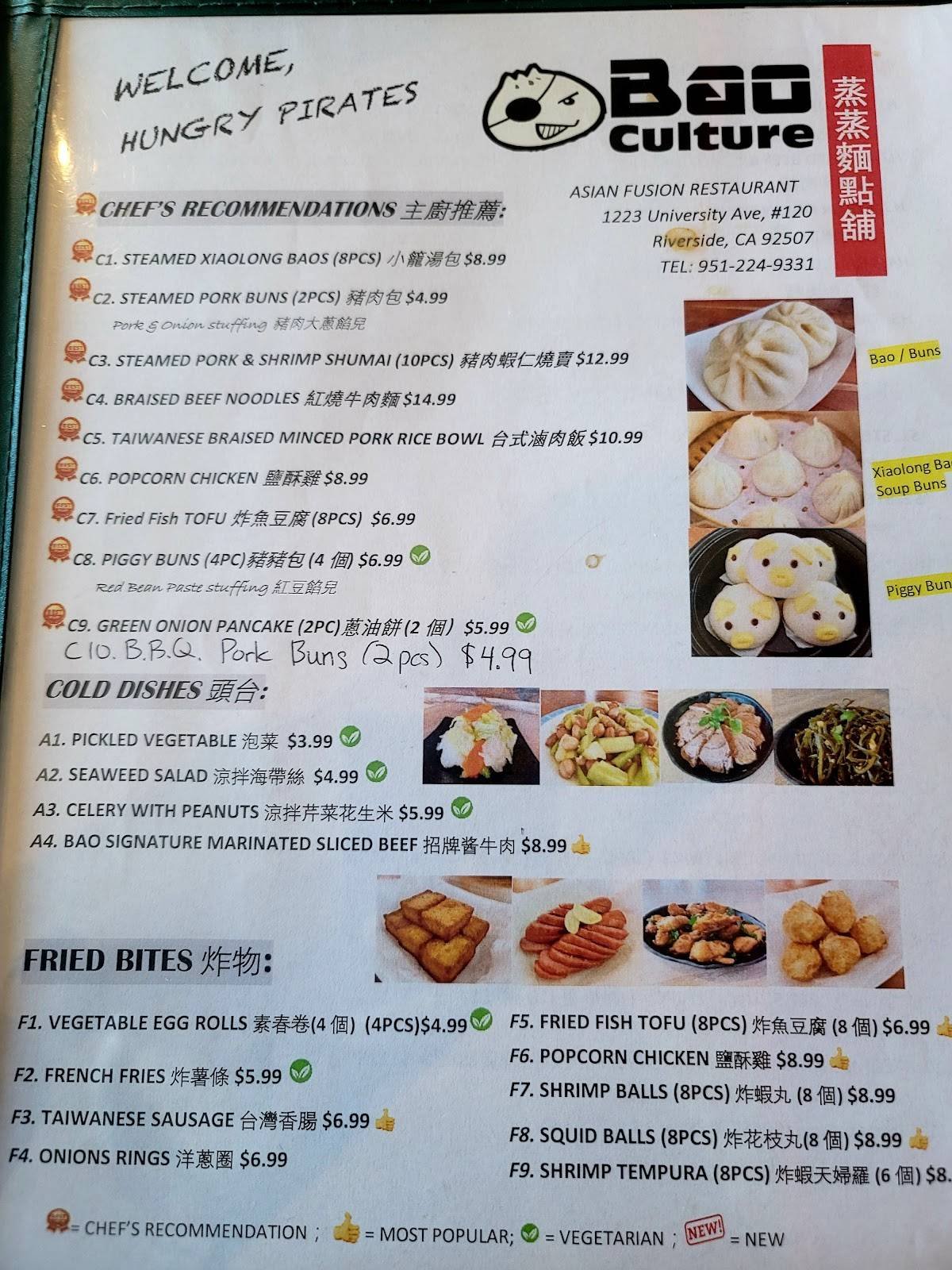
Bao in Chinese Culture & Cuisines Deep Cultural Significance
Few dishes capture the heart and soul of Chinese culture quite like bao. These humble, pillowy steamed buns are far more than just a delicious snack; they are edible emblems of history, community, and culinary innovation. From bustling dim sum restaurants to quiet family kitchens, understanding bao means understanding a fundamental piece of China’s heritage, its people, and its gastronomic evolution.
If you’ve ever bitten into a perfectly fluffy bao, you know it's an experience—the soft exterior giving way to a savory or sweet filling, a moment of comfort and delight. But the true richness of bao lies not just in its taste, but in its deep roots and the intricate tapestry it weaves through daily life and significant celebrations. It’s a story of adaptability, symbolism, and a quiet, persistent influence on global cuisine.
At a Glance: What Bao Really Represents
- Ancient Origins: Traces its roots back to the Eastern Han dynasty, evolving from a simple staple.
- Cultural Heartbeat: Symbolizes community, hospitality, abundance, and unity in Chinese culture.
- Versatile Delicacy: Adapts to countless regional tastes, from savory pork to sweet red bean.
- Etiquette Matters: Eating bao involves specific customs that show respect and appreciation.
- Global Ambassador: Has significantly influenced international cuisine, inspiring fusion dishes worldwide.
- Future Forward: Continues to innovate and integrate into modern culinary trends globally.
A Journey Through Time: Bao's Ancient Roots
To truly appreciate the bao, we must journey back to its origins. Imagine ancient China during the Eastern Han dynasty, sometime between 25 and 220 AD. This is where the story of bao, or baozi, begins. The very name "bao" in Chinese is a fascinating linguistic clue, combining the radicals for "bread" and "to wrap," directly translating to a wrapped or bundled food. This etymology immediately tells you its fundamental nature: a simple, enclosed package of sustenance.
Initially, bao was far from the refined culinary item we know today. It emerged as a humble staple, primarily made from readily available millet or rice flour. In those early centuries, it served a dual purpose: a sustaining food for the common folk, particularly the poor, and an integral part of religious offerings. Its unpretentious ingredients and straightforward preparation made it accessible and vital.
Over time, this basic foodstuff began to evolve, influenced significantly by cultural shifts. The rise of Buddhism in China, with its emphasis on vegetarianism and meat-free diets, played a pivotal role. This influence led to the development of bao with vegetarian fillings, moving beyond simple grains. Concurrently, steaming became the prevalent cooking method, further refining its texture and preserving its delicate flavors. This period truly laid the groundwork for the diverse, flavorful bao that would emerge centuries later. To truly grasp the essence of this ancient food, it helps to Discover what bao is and how it has developed through the ages.
More Than Just a Meal: Bao's Deep Cultural Resonance
Beyond its historical origins and culinary adaptability, bao holds a profound cultural significance that transcends mere sustenance. It's not just food; it's a symbol woven into the very fabric of Chinese society, representing a tapestry of values that resonate deeply across Asian cultures.
At its core, bao symbolizes community and hospitality. Think of families gathering around a table, sharing baskets of steaming bao. It's a collective experience, a gesture of welcome and warmth extended to guests. The act of sharing bao reinforces bonds, turning a meal into a moment of togetherness. You'll find it at the heart of daily life, gracing breakfast tables, lunch breaks, and late-night snacks.
Bao also carries powerful connotations of abundance, prosperity, and good fortune. Its plump, rounded shape often evokes images of overflowing coffers or a full, happy life. Serving bao, especially during significant events, is a subtle wish for prosperity for all who partake. It's a culinary blessing, a way to invite good luck and a fruitful future.
Perhaps most importantly, bao embodies unity and togetherness. The way its wrapper enfolds the filling is a metaphor for the way families and communities come together, holding cherished traditions and shared experiences within a protective shell. This makes bao an indispensable feature at pivotal family gatherings, lively social events, and especially during major celebrations. During Chinese New Year, for instance, preparing and eating specific types of bao is a cherished ritual, symbolizing family reunion and hoping for a prosperous year ahead. At weddings, bao might appear as part of the celebratory feast, representing the hope for a harmonious and prosperous union. This deep symbolic weight ensures bao remains an integral, cherished part of cultural heritage.
A World of Flavors: Bao's Regional Evolution
One of the most remarkable aspects of bao is its incredible versatility and capacity for adaptation. As it spread across China and beyond, bao didn't remain static; it transformed, reflecting the unique tastes, available ingredients, and culinary traditions of each region. This evolution has resulted in a breathtaking array of bao varieties, each with its distinct character.
Let's talk fillings. While the classic pork bao (often ground pork seasoned with ginger, scallions, and soy sauce) remains a favorite, the spectrum is vast. Vegetable bao can be a vibrant mix of cabbage, mushrooms, carrots, and glass noodles, offering a lighter yet equally satisfying experience. For those with a sweet tooth, sweet red bean paste bao is a cherished dessert, its earthy sweetness a perfect counterpoint to the fluffy bun.
Venture beyond mainland China, and you'll find bao continuing its flavorful journey:
- Taiwan: Known for its iconic gua bao, an open-faced bao resembling a taco, typically cradling succulent braised pork belly, pickled mustard greens, and crushed peanuts. Spicy chicken fillings are also popular, showcasing Taiwan's vibrant street food scene.
- Japan: Here, bao takes on the name nikuman (meat bun) or anman (red bean bun). These are typically larger, heartier, and often sold in convenience stores, featuring robust fillings of pork, vegetables, and savory spices, tailored to Japanese palates.
Within China itself, the regional variations are staggering, each a testament to local ingenuity: - Char Siu Bao: A Cantonese specialty, these fluffy, slightly sweet buns are filled with savory-sweet barbecued char siu pork. Often glazed, they're a staple of dim sum.
- Gua Bao: As mentioned, this Taiwanese open-faced bun is a masterclass in texture and flavor, a true street food icon.
- Xiaolongbao: While often categorized separately, these "soup dumplings" are a delicate type of bao, originating from Shanghai. Known for their thin, pleated wrappers that encase a savory meat filling and a burst of hot, flavorful broth, they require careful eating.
- Shengjian Bao: Another Shanghai specialty, these are pan-fried bao. They feature a thicker, chewier dough, a savory pork filling, and are cooked until the bottom is crispy golden brown while the top remains soft and steamed.
- Nuomi Bao: These unique buns use glutinous rice as a primary ingredient in the dough, often filled with a sweet or savory mixture, offering a distinct chewy texture.
The journey doesn't stop there. Modern cuisine has embraced bao's versatility with open arms, leading to innovative variations that push culinary boundaries. You'll find bao burgers, where the steamed bun replaces a traditional burger bun; bao tacos, fusion creations that blend Asian flavors with Mexican forms; and even elaborate bao desserts, proving that this ancient food is perfectly capable of adapting to contemporary tastes and trends, continuing its global culinary influence.
Navigating the Steaming Basket: Bao Etiquette You Should Know
Eating bao, particularly in traditional settings or when hosted by Chinese friends, comes with a set of unspoken rules and customs. These aren't just about table manners; they're about showing respect for the food, the host, and the cultural traditions embedded in the dining experience. Mastering these simple points will enhance your appreciation and enjoyment.
- Handling Steamed Bao:
- Temperature Check: Bao is best eaten warm, straight from the steamer. Be mindful that the filling, especially savory ones, can be very hot and potentially messy.
- Chopstick Savvy: Always use chopsticks. Gently pick up the bao, and if it's a larger one, take small bites to manage the heat and prevent the filling from spilling. For soup-filled bao like xiaolongbao, carefully nibble a small hole, sip the soup, then eat the rest.
- Eating Pan-Fried Bao (Shengjian Bao):
- Chopsticks or Hand: These can often be eaten with chopsticks or, for a more rustic approach, carefully by hand.
- Mind the Splash: Again, take small bites. Pan-fried bao often contains hot broth that can squirt out. A common trick is to hold it over a spoon or your rice bowl to catch any drips.
- Using Dipping Sauce:
- Personal Portion: If dipping sauces (like black vinegar, soy sauce, or chili oil) are provided, pour a small amount onto your personal plate or a designated shallow dish.
- Gentle Dip: Dip a small corner of your bao into the sauce. Avoid dunking the entire bun, which can make it soggy or excessively flavorful.
- General Table Manners in a Chinese Setting:
- Wait for the Host: Always wait for the host or the eldest person at the table to begin eating before you start.
- Chopstick Customs: Use chopsticks correctly. Never stick them upright into your rice or food, as this resembles incense sticks offered at a funeral and is considered highly impolite. When not in use, place them on the chopstick rest or neatly across your bowl.
- Signaling Satisfaction: It's often customary to leave a small amount of food on your plate, especially rice or a small piece of bao. This subtly signals to your host that you are satisfied and that they have provided ample food, rather than implying you're still hungry or that the food wasn't enough.
- Respect Cultural Traditions:
- Dietary Sensitivities: Be aware of any ingredients that might be considered taboo or sensitive within certain cultural or religious contexts. If in doubt, politely inquire.
- Appreciate the Effort: Always appreciate the time and effort that goes into preparing the food. Refrain from offering criticism; instead, focus on expressing your enjoyment.
Bao's Global Embrace: From Street Food to International Tables
The unassuming bao has transcended its origins to become a true global culinary phenomenon. Its versatility, comforting nature, and ability to adapt have allowed it to significantly influence international cuisine, sparking new culinary trends and inspiring chefs worldwide.
Walk through any major city, and you're likely to find bao on menus far beyond traditional Chinese restaurants. This widespread popularity has fueled the rise of Asian-fusion dishes, where bao often serves as a canvas for creative culinary mashups. From bao buns filled with pulled pork or Korean BBQ to vegetarian creations featuring international ingredients, its soft texture and neutral flavor profile make it an ideal vehicle for diverse fillings.
These new culinary trends reflect not just a love for bao, but also a broader appreciation for Chinese cuisine and culture. It's a prime example of cultural exchange through food, where a dish once rooted in ancient traditions now connects people across continents, tastes, and backgrounds. The convenience of frozen bao, readily available in supermarkets, also attests to its global demand, allowing more people to enjoy this comforting food at home.
Looking ahead, the future of bao in modern Chinese and international cuisine is undeniably bright. We'll continue to see innovation in its preparation, with chefs experimenting with new doughs, cooking methods, and an even broader range of fillings. Its global adaptation will only accelerate, as chefs in different countries infuse it with local flavors and ingredients, creating exciting new iterations. This ongoing evolution ensures that bao will remain not just a historical delicacy, but a dynamic, ever-relevant player in the global culinary landscape, constantly surprising and delighting palates around the world.
Your Bao Questions, Answered
Let's address some common questions you might have about this incredible steamed bun.
Q: What makes bao so culturally significant in China?
A: Bao's cultural significance stems from its deep connection to core Chinese values. It symbolizes community, fostering togetherness at family gatherings and social events. Its round, plump shape is often associated with abundance, prosperity, and good fortune, making it a staple at celebrations like Chinese New Year and weddings as a culinary blessing for the future.
Q: Are all bao steamed?
A: While steaming is the most traditional and common method for cooking bao, not all varieties are exclusively steamed. For example, shengjian bao (生煎包) from Shanghai are famous for being pan-fried until their bottoms are crispy and golden, while the tops remain soft from steaming. Modern variations might also see bao deep-fried or even baked, showcasing its adaptability.
Q: Can bao be a dessert?
A: Absolutely! Many types of bao are distinctly sweet and enjoyed as desserts or a sweet snack. The most classic example is the sweet red bean paste bao (doushabao), filled with a rich, subtly sweet paste made from adzuki beans. Other sweet variations include custard bao (often with a runny, sweet egg custard) and taro paste bao.
Q: Why is etiquette important when eating bao?
A: Etiquette, when eating bao or any traditional Chinese dish, goes beyond mere manners; it’s a way to show respect for the food, the people you’re dining with, and the cultural traditions involved. Simple acts like waiting for the host to begin, using chopsticks correctly, and being mindful of how you dip sauces demonstrate appreciation for the meal and foster a harmonious dining experience. It acknowledges the effort and cultural context behind the food.
Beyond the Plate: Making Bao a Part of Your Culinary Journey
Bao is more than just a meal; it's an invitation. An invitation to explore centuries of culinary history, to understand the nuanced flavors of different regions, and to connect with a culture that values community and celebration through food. Whether you're a seasoned foodie or just beginning your exploration of Chinese cuisine, these fluffy, filled buns offer a delightful and meaningful entry point.
Your next step? Seek out a local dim sum restaurant and try a few different varieties. Experiment with char siu bao, perhaps a vegetable bao, and definitely a sweet red bean bao for dessert. Don't be afraid to try the more adventurous options like gua bao or even xiaolongbao if you're feeling brave enough for the soup-filled challenge.
As you savor each bite, take a moment to appreciate the journey of this remarkable food – from ancient staple to global delicacy. Bao reminds us that sometimes, the simplest foods carry the deepest stories. It’s a testament to the enduring power of food to bring people together, bridging gaps between past and present, and culture to culture, one delicious steamed bun at a time.